
Hyaluronic Acid Serum: 9 Powerful Benefits, Uses, and Complete Skincare Guide
Hyaluronic acid serum has become one of the most popular skincare products for people who want smoother, softer, and healthier-looking skin. It is especially well known for its ability to attract and hold moisture, making it a powerful ingredient for dry, dehydrated, and dull-looking skin.
Whether you are a skincare beginner or already have a complete skincare routine, adding a good hyaluronic acid serum can be a simple and effective way to boost hydration.
In this complete guide, we will explain what hyaluronic acid is, its benefits, how to use it, who should use it, possible side effects, and how to choose the best serum for your skin.
What Is Hyaluronic Acid?
Hyaluronic acid (HA) is a substance naturally found in the body. It helps maintain moisture and supports the skin’s hydrated appearance.
In skincare products, hyaluronic acid is commonly used as a humectant. A humectant helps attract water and keep the skin moisturized.
As we age, the skin can become less effective at retaining moisture. Environmental factors such as dry weather, air conditioning, excessive sun exposure, and harsh skincare products can also contribute to dehydration.
This is why a hyaluronic acid serum can be a valuable addition to a daily skincare routine.
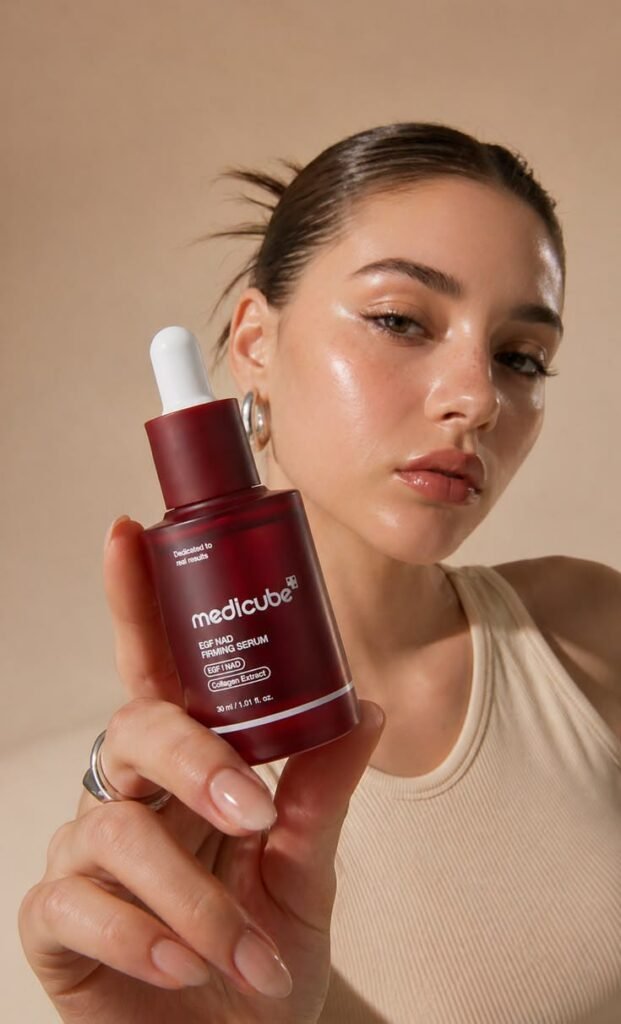
What Is Hyaluronic Acid Serum?
A hyaluronic acid serum is a lightweight skincare product formulated with hyaluronic acid and other ingredients designed to improve skin hydration.
Unlike heavier creams, serums are usually lightweight and can be applied before moisturizer.
A quality serum may help your skin feel:
- Softer
- Smoother
- More comfortable
- Plumper
- More hydrated
- Healthier-looking
One of the biggest advantages of hyaluronic acid is that it is generally suitable for many different skin types.
9 Powerful Benefits of Hyaluronic Acid Serum
1. Provides Intense Hydration
The main benefit of hyaluronic acid serum is hydration.
Hyaluronic acid can attract water and help support the skin’s moisture balance. Proper hydration can make the skin look fresher and more radiant.
If your skin often feels tight after cleansing, a hydrating serum may be particularly helpful.
2. Helps Reduce the Appearance of Dry Skin
Dry skin can appear rough, flaky, or uncomfortable.
Using a hydrating skincare routine that includes hyaluronic acid can help improve the feeling of dryness and make the skin appear smoother.
For best results, follow your serum with a moisturizer to help support the skin’s moisture barrier.
3. Makes Skin Look Plumper
Well-hydrated skin often looks naturally fuller and more plump.
Hyaluronic acid can temporarily improve the appearance of fine dehydration lines by increasing moisture in the outer layers of the skin.
This can give your complexion a fresh, healthy, and youthful-looking appearance.
4. Supports Smoother-Looking Skin
Dehydrated skin may emphasize texture and fine lines.
By increasing hydration, hyaluronic acid serum can make the surface of the skin feel smoother and appear more refined.
It is not an instant solution for every type of skin texture, but consistent hydration can make a noticeable difference in overall appearance.
5. Gives Skin a Healthy Glow
One of the most attractive benefits of good hydration is a natural-looking glow.
When your skin is properly moisturized, it can look more radiant and refreshed.
For people dealing with dull-looking skin, adding a hydrating serum may be a simple but powerful skincare step.
6. Helps Support the Skin Barrier
A healthy skin barrier helps protect the skin and reduce moisture loss.
Hyaluronic acid itself does not replace all the functions of a moisturizer or barrier-supporting ingredients, but hydration is an important part of maintaining comfortable skin.
For a stronger routine, consider combining hydrating ingredients with ingredients such as ceramides and gentle moisturizers.
7. Suitable for Many Skin Types
Hyaluronic acid is generally considered a versatile skincare ingredient.
It can be used by people with:
- Dry skin
- Normal skin
- Combination skin
- Oily skin
- Dehydrated skin
Even oily skin can become dehydrated, so hydration is not only important for people with naturally dry skin.
8. Lightweight and Easy to Use
Most hyaluronic acid serums have a lightweight texture.
This makes them easy to include in both morning and evening skincare routines.
You do not need a complicated routine to benefit from hydration. A simple routine can include:
Cleanser → Hyaluronic Acid Serum → Moisturizer → Sunscreen
9. Works Well With Other Skincare Ingredients
Hyaluronic acid can generally be combined with many common skincare ingredients.
Depending on your routine, it may be used alongside ingredients such as:
- Niacinamide
- Vitamin C
- Ceramides
- Peptides
- Salicylic acid
- Retinoids
However, if your skin is sensitive, introducing several new products at the same time may increase the chance of irritation. Introducing products gradually can make it easier to identify what works for your skin.
How Does Hyaluronic Acid Work?
Hyaluronic acid is a humectant, meaning it helps attract and retain water.
Think of it as a moisture magnet for your skincare routine.
When applied to the skin, hyaluronic acid can help increase hydration in the outer layers of the skin. This can make skin feel softer and look more plump.
Different skincare formulas may contain different forms or molecular weights of hyaluronic acid. Some formulas use multiple types to target hydration at different levels of the skin’s surface.
How to Use Hyaluronic Acid Serum Correctly
Using the serum correctly can help you get the most from your skincare routine.
Step 1: Cleanse Your Face
Start with a gentle cleanser to remove dirt, oil, sunscreen, and makeup.
Avoid using extremely harsh cleansers if your skin is already dry or sensitive.
Step 2: Apply Hyaluronic Acid Serum
After cleansing, apply a small amount of hyaluronic acid serum.
Many people prefer applying it to slightly damp skin because this can help provide a comfortable hydrating experience.
Step 3: Follow With Moisturizer
This step is important.
After applying your serum, use a moisturizer to help reduce moisture loss and keep your skin feeling hydrated.
Step 4: Use Sunscreen in the Morning
If you use the serum during your morning routine, finish with a broad-spectrum sunscreen.
Daily sun protection is one of the most important steps for maintaining healthy-looking skin.
Morning Skincare Routine With Hyaluronic Acid
A simple morning routine can look like this:
- Gentle cleanser
- Hyaluronic acid serum
- Moisturizer
- Broad-spectrum sunscreen
If you use additional treatment serums, apply them according to the instructions for those products.
Night Skincare Routine With Hyaluronic Acid
At night, you can keep your routine simple:
- Cleanser
- Treatment product, if needed
- Hyaluronic acid serum
- Moisturizer
If you use retinoids or exfoliating acids, avoid creating an unnecessarily complicated routine. More products do not always mean better results.
Can You Use Hyaluronic Acid Every Day?
For many people, hyaluronic acid can be used daily.
It is commonly used once or twice a day depending on the product’s instructions and your personal skincare routine.
However, everyone’s skin is different. If you experience irritation, redness, burning, or discomfort, reduce use or stop the product and evaluate the ingredients in the complete formula.
Hyaluronic Acid for Dry Skin
Dry skin often needs additional moisture and barrier support.
A hyaluronic acid serum can provide hydration, but it should generally be paired with a moisturizer.
A useful routine for dry skin may include:
Gentle cleanser + Hyaluronic acid + Moisturizer + Sunscreen
Look for moisturizers containing ingredients such as ceramides, glycerin, or other skin-conditioning ingredients.
Hyaluronic Acid for Oily Skin
Having oily skin does not mean your skin cannot be dehydrated.
Some people with oily skin avoid moisturizers because they are afraid of looking greasy. However, skipping hydration completely may not be helpful.
Choose a lightweight, non-comedogenic moisturizer and a serum with a comfortable texture.
Hyaluronic Acid for Sensitive Skin
Hyaluronic acid itself is generally considered a gentle hydrating ingredient, but the complete product formula matters.
A serum may contain fragrance, essential oils, acids, preservatives, or other ingredients that can irritate sensitive skin.
If your skin is sensitive, choose a simple formula and perform a patch test according to the manufacturer’s instructions.
Can Hyaluronic Acid Remove Wrinkles?
Hyaluronic acid does not permanently remove wrinkles.
However, improved hydration can temporarily make the skin look smoother and can reduce the appearance of fine dehydration lines.
For long-term anti-aging skincare, sun protection is essential. Other ingredients, such as retinoids, may also have stronger evidence for addressing signs of photoaging.
For authoritative information about skincare and skin health, you can visit the American Academy of Dermatology (AAD):
https://www.aad.org/public/everyday-care/skin-care-basics/dry
Hyaluronic Acid vs Moisturizer
These two products are not necessarily competitors.
A hyaluronic acid serum mainly focuses on hydration, while a moisturizer generally helps hydrate the skin and reduce water loss through a combination of ingredients.
For many people, using both can make sense:
Hyaluronic Acid Serum → Moisturizer
The serum adds hydration, while the moisturizer helps keep the skin comfortable and supported.
Hyaluronic Acid vs Niacinamide
Hyaluronic acid and niacinamide have different primary roles.
Hyaluronic acid: Mainly focuses on hydration.
Niacinamide: Often used to support the skin barrier, improve the appearance of uneven tone, and manage excess oil depending on the formula and concentration.
They can generally be used together.
A routine containing both can be an excellent hydration-focused combination for many people.
What Should You Look for in a Hyaluronic Acid Serum?
When choosing a serum, don’t focus only on the words “hyaluronic acid” on the label.
Consider:
1. Simple Formula
If you have sensitive skin, a simple formula may be easier to tolerate.
2. Additional Hydrating Ingredients
Ingredients such as glycerin and panthenol can complement a hydrating routine.
3. Your Skin Type
Choose a texture that feels comfortable for your skin.
4. Product Quality
Purchase skincare products from reputable brands and authorized sellers whenever possible.
5. Fragrance
If fragrance tends to irritate your skin, consider a fragrance-free formula.
Common Mistakes When Using Hyaluronic Acid Serum
Even a good skincare ingredient can be used incorrectly.
Mistake 1: Applying Too Much
You usually don’t need a large amount of serum. Follow the product instructions.
Mistake 2: Skipping Moisturizer
Hyaluronic acid serum is not always a replacement for moisturizer.
Mistake 3: Forgetting Sunscreen
Hydration is important, but daily sun protection is equally important for overall skin health.
Mistake 4: Using Too Many Products
Adding several new products simultaneously can make irritation more likely and make it difficult to know which product caused the problem.
Mistake 5: Expecting Overnight Results
Skincare requires consistency.
A good routine focuses on long-term skin health rather than expecting dramatic overnight transformation.
Are There Any Side Effects?
Hyaluronic acid is generally well tolerated when used topically, but any skincare product can potentially cause irritation or an allergic reaction.
Possible reactions may include:
- Redness
- Burning
- Itching
- Irritation
- Dryness
Sometimes the issue may not be hyaluronic acid itself but another ingredient in the serum.
If you experience significant or persistent irritation, discontinue the product and consult a dermatologist.
Frequently Asked Questions
Is hyaluronic acid good for skin?
Yes. Hyaluronic acid is a popular hydrating ingredient that can help improve the skin’s moisture level and make it feel softer and smoother.
Can I use hyaluronic acid every day?
Many people can use it daily, often once or twice a day, depending on the product instructions and their skin’s tolerance.
Should I apply hyaluronic acid before moisturizer?
Yes. In a typical routine, hyaluronic acid serum is applied before moisturizer.
Can oily skin use hyaluronic acid?
Yes. Oily skin can still be dehydrated. A lightweight hyaluronic acid serum can be a useful hydration step.
Can I use hyaluronic acid with vitamin C?
Yes. These ingredients are commonly used together in skincare routines.
Can hyaluronic acid brighten skin?
Hyaluronic acid primarily hydrates the skin. Better hydration can make skin appear fresher and more radiant, but it is not primarily a skin-lightening ingredient.
Is hyaluronic acid good for acne-prone skin?
It can be useful for hydration, particularly when acne treatments make the skin feel dry or tight. Choose a suitable, non-comedogenic formula when possible.
Is hyaluronic acid safe for sensitive skin?
Many people with sensitive skin tolerate it well, but the entire product formula matters. Always pay attention to how your skin reacts.
Final Thoughts
Hyaluronic acid serum is a powerful and versatile hydration ingredient that can fit into almost any basic skincare routine. Its ability to attract and retain moisture makes it especially useful for dry, dehydrated, and dull-looking skin.
For the best results, keep your routine simple and consistent. Cleanse gently, apply your hydrating serum, follow with moisturizer, and use sunscreen every morning.
Remember that healthy skin is not about using the largest number of products. It is about choosing the right ingredients, using them consistently, and protecting your skin every day.
If you are dealing with persistent dryness, irritation, acne, pigmentation, or another skin concern, a qualified dermatologist can help you choose products that are appropriate for your individual skin.