
How to Remove Pimples That Are Under the Skin: 7 Powerful Tips
How to Remove Pimples That Are Under the Skin : Pimples that are under the skin can be frustrating because they often feel like painful bumps without having a visible whitehead. These deep pimples can take longer to disappear and may become tender, swollen, or red.
The good news is that the right skincare routine can help reduce inflammation, prevent new breakouts, and improve the appearance of your skin. In this guide, we’ll discuss practical and effective ways to deal with pimples under the skin.
What Are Pimples Under the Skin?
How to Remove Pimples That Are Under the Skin :Pimples under the skin are deep, inflamed bumps that develop beneath the surface of the skin. They are often associated with inflammatory acne and may feel like a hard or tender lump.
Unlike ordinary whiteheads, these pimples may not have an obvious opening or visible pus. Trying to squeeze them can increase inflammation and may lead to scarring.

What Causes Deep Pimples?
Several factors can contribute to pimples developing beneath the skin.
Excess Oil
How to Remove Pimples That Are Under the Skin :When the skin produces excess oil, it can mix with dead skin cells and clog pores. This can contribute to acne formation.
Clogged Pores
Dead skin cells, oil, and other debris can block pores. When inflammation develops deeper inside the pore, a painful under-the-skin pimple may appear.
Hormonal Changes
Hormonal fluctuations can increase oil production and contribute to breakouts, particularly around the jawline, chin, and lower face.
Skin-Care Products
Some heavy or pore-clogging products may contribute to breakouts in acne-prone skin. Choosing products labeled non-comedogenic may be helpful.
7 Powerful Ways to Treat Pimples Under the Skin
1. Never Squeeze the Pimple
How to Remove Pimples That Are Under the Skin :One of the most important rules is to avoid squeezing, picking, or repeatedly touching a deep pimple.
Because the inflammation is beneath the skin, squeezing may push inflammation deeper and increase the risk of redness, infection, or acne scars.
2. Use a Gentle Cleanser
Wash your face with a gentle cleanser to remove excess oil, sweat, makeup, and dirt without aggressively stripping the skin.
Avoid harsh scrubbing because irritation can make inflamed acne look and feel worse.
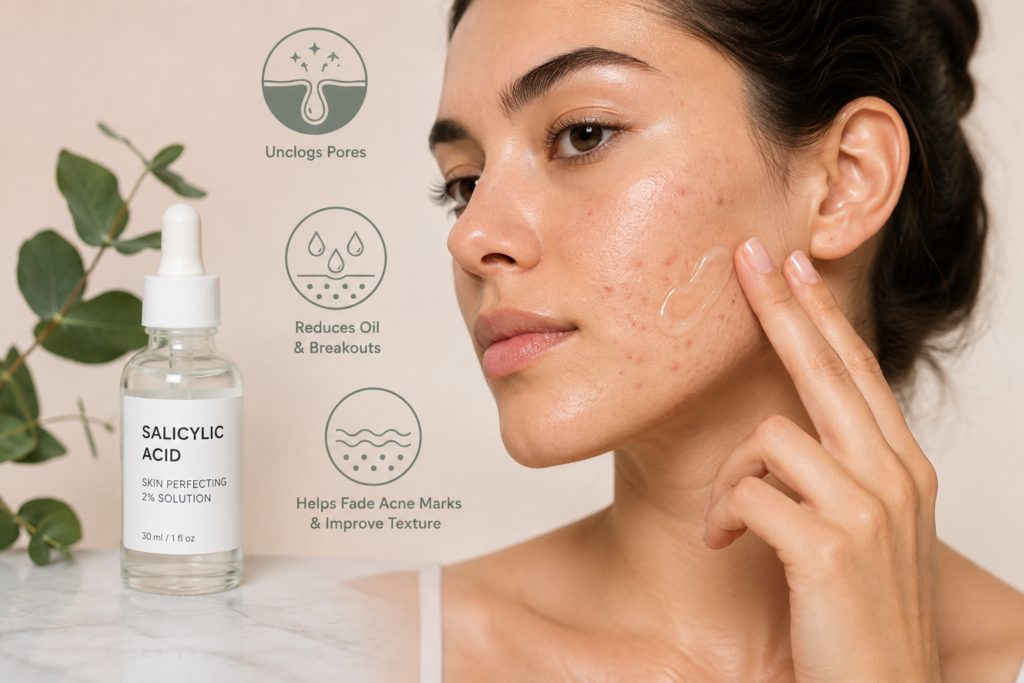
3. Try Salicylic Acid
Salicylic acid is a popular acne-fighting ingredient that can help unclog pores and remove excess dead skin cells.
If you’re new to salicylic acid, start with a lower-strength product and use it according to the product instructions. Using too much can cause dryness and irritation.
4. Consider Benzoyl Peroxide
How to Remove Pimples That Are Under the Skin :Benzoyl peroxide can be useful for inflammatory acne because it helps reduce acne-causing bacteria and inflammation.
It can be drying for some people, so introduce it carefully and use moisturizer to help maintain skin comfort.
For evidence-based acne information, you can read the American Academy of Dermatology acne guidance.
5. Apply a Warm Compress
A clean, warm compress may help soothe a tender, deep pimple and make the area feel more comfortable.
Apply it gently for several minutes. Avoid using extremely hot water because it can irritate or burn the skin.
6. Keep Your Skincare Routine Simple
When you have painful breakouts, using too many active products can irritate your skin.
A simple routine can include:
Morning:
Gentle cleanser → Moisturizer → Sunscreen
Night:
Gentle cleanser → Acne treatment → Moisturizer
Consistency is often more effective than constantly switching between different products.
7. Use Non-Comedogenic Products
If you frequently develop clogged pores, look for skincare and makeup products labeled non-comedogenic.
These products are designed to be less likely to clog pores, although individual reactions can still vary.
How Long Do Under-the-Skin Pimples Take to Go Away?
Deep pimples can take longer to resolve than small surface-level blemishes. The time can vary depending on the severity of inflammation and your skincare routine.
Avoid repeatedly touching the area while it heals. Picking at a deep pimple can prolong inflammation and increase the chance of marks.
What Should You Avoid?
If you want to get rid of deep pimples, avoid common mistakes such as:
- Squeezing or popping the bump
- Using harsh facial scrubs
- Applying too many acne treatments at once
- Using very hot water
- Picking at healing skin
- Sleeping with makeup on
- Skipping moisturizer because you have oily skin
These habits can irritate your skin and potentially make breakouts worse.
Can Ice Help an Under-the-Skin Pimple?
A cool compress may temporarily reduce swelling and discomfort. Wrap ice or a cold pack in a clean cloth rather than placing ice directly against your skin.
Do not keep cold therapy on the skin for an extended period.
When Should You See a Dermatologist?
If you regularly develop large, painful, deep pimples, it may be worth consulting a dermatologist. Persistent or severe acne can increase the risk of permanent scarring.
A dermatologist can determine the type and severity of acne and recommend an appropriate treatment plan.
Final Thoughts
Pimples under the skin can be stubborn, but patience and the right routine can help. Avoid squeezing deep bumps, cleanse gently, consider proven acne ingredients such as salicylic acid or benzoyl peroxide, moisturize regularly, and protect your skin from the sun.
Most importantly, don’t expect an overnight solution. A consistent and gentle skincare routine can help you work toward clearer, healthier-looking skin while reducing the chance of future breakouts.