
How to Prevent Redness From Acne: 7 Proven Ways That Actually Work
How to Prevent Redness From Acne: A Complete Skincare Guide
How to Prevent Redness From Acne :Acne can leave behind more than just pimples.inflammationFor many people, redness around breakouts can make the skin look iritated, inflamed, and uneven. The good news is that a gentle and consistent skincare routine can help reduce irritation and prevent acne-related redness from becoming worse.
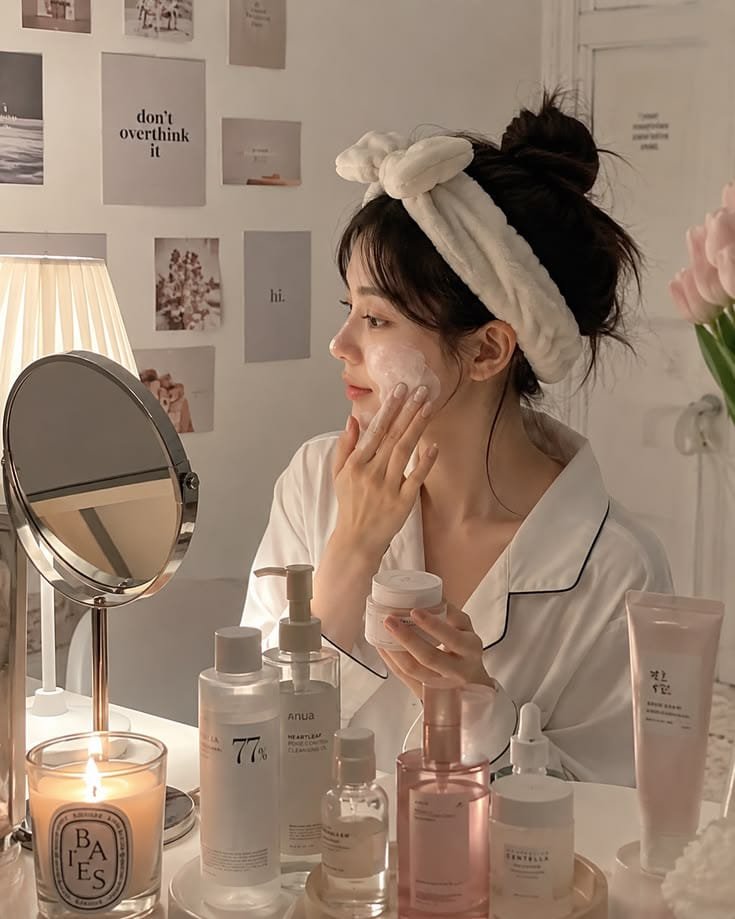
If you are searching for how to prevent redness from acne, the most important steps are to avoid picking your skin, use gentle skincare products, protect your skin from the sun, and choose ingredients that are suitable for acne-prone skin.
What Causes Redness From Acne?
How to Prevent Redness From Acne: Acne develops when hair follicles become clogged with oil and dead skin cells.: https://skinzenia.com/how-to-get-rid-of-acne-scars/ Inflammatory acne can cause the surrounding skin to become red, swollen, and sometimes painful.
Redness can also become worse when the skin is irritated by aggressive scrubbing, picking, squeezing pimples, or using too many strong skincare products.
Common causes of acne-related redness include:
- Inflamed pimples
- Picking or squeezing acne
- Harsh cleansers
- Over-exfoliation
- Dry or damaged skin barrier
- Irritating skincare ingredients
- Sun exposure
- Friction from clothing or other objects
Understanding the cause is the first step toward preventing unnecessary redness.
Don’t Pick or Squeeze Your Pimples
How to Prevent Redness From Acne: One of the most important ways to prevent acne redness is to keep your hands away from your face.
Picking and squeezing can increase inflammation and may damage the skinhttps://skinzenia.com/natural-home-remedies-for-skin-inflammation/. It can also increase the risk of acne marks and scarring.
Instead of squeezing a pimple, allow it to heal naturally and use appropriate acne skincare.
Use a Gentle Cleanser
How to Prevent Redness From Acne: A gentle cleanser can remove excess oil, dirt, and makeup without unnecessarily irritating your skin.
Wash your face gently rather than scrubbing aggressively: https://skinzenia.com/how-to-get-rid-of-acne-scars/. Avoid very hot water because it may leave irritated skin feeling even more uncomfortable.
For acne-prone skin, look for a cleanser that is:
- Gentle
- Non-abrasive
- Suitable for acne-prone skin
- Free from ingredients that irritate your skin
Cleansing too frequently can also cause dryness and irritation, so keep your routine simple.
Avoid Over-Exfoliating
How to Prevent Redness From Acne: Exfoliation can sometimes be useful for acne-prone skin, but too much exfoliation can irritate the skin and make redness worse.
Avoid using multiple exfoliating acids, scrubs, and strong active ingredients at the same time.
If your skin becomes burning, excessively dry, tight, or increasingly red after using a product, consider stopping it and allowing your skin to recover.
Keep Your Skin Moisturized
How to Prevent Redness From Acne: Many people with acne avoid moisturizer because they think it will make their skin more oily. However, acne treatments can sometimes cause dryness and irritation.
A lightweight, non-comedogenic moisturizer can help support the skin barrier without necessarily clogging pores.
Look for products designed for oily or acne-prone skin if those are appropriate for you.
Create a Simple Skincare Routine
A complicated routine is not always better. Keeping your skincare routine simple can help reduce unnecessary irritation.
Morning Routine
Step 1: Gentle cleanser
Clean your face without scrubbing.
Step 2: Moisturizer
Apply a lightweight moisturizer suitable for your skin type.
Step 3: Sunscreen
Finish with broad-spectrum sunscreen.
Night Routine
Step 1: Cleanse
Remove dirt, oil, and makeup gently.
Step 2: Acne treatment
Use an appropriate acne treatment if needed.
Step 3: Moisturizer
Apply moisturizer to help maintain the skin barrier.
Introduce only one new active ingredient at a time so you can see how your skin reacts.
Avoid Products That Irritate Your Skin
How to Prevent Redness From Acne: Not every skincare product works for every person. Fragrances, strong acids, alcohol-heavy products, harsh scrubs, and other irritating ingredients may cause problems for sensitive skin.
If you notice that a particular product consistently causes burning or redness, stop using it and assess whether your skin improves.
Don’t Forget Your Skin Barrier
A healthy skin barrier helps protect your skin from external irritants and reduces moisture loss.
Signs that your skin barrier may be irritated include:
- Excessive dryness
- Burning or stinging
- Tightness
- Flaking
- Increased sensitivity
- Persistent redness
Add DoFollow links pointing to external resources
If your skin is irritated, temporarily simplifying your routine can be helpful.https://www.aad.org/public/diseases/acne/derm-treat/treat Focus on gentle cleansing, moisturizing, and sun protection rather than using numerous active ingredients.
How to Prevent Redness After Acne 6 best tips:
Sometimes the pimple disappears but a red or dark mark remains.https://www.aad.org/public/diseases/acne/derm-treat/treat These post-acne marks can take time to fade.
To reduce the chance of prolonged discoloration:
- Avoid picking acne
- Use sunscreen consistently
- Treat acne early
- Avoid harsh scrubbing
- Keep your skin moisturized
- Introduce active ingredients gradually
Remember that redness after acne may not be an active infection. Persistent marks can have different causes, so professional advice can help if you are unsure.
Home Remedies for Acne Redness
How to Prevent Redness From Acne; Many home remedies are promoted online for calming acne redness, but some can actually irritate the skin.
Avoid applying harsh DIY ingredients such as lemon juice, baking soda, or undiluted essential oils to acne.
Instead, use gentle, properly formulated skincare products.
A cool compress may temporarily feel soothing for irritated skin, but it should not be placed directly on the skin for prolonged periods.
Common Mistakes That Make Acne Redness Worse
Scrubbing Your Face
Aggressive scrubbing does not remove acne and may increase irritation.
Popping Pimples
Squeezing pimples can increase inflammation and may contribute to scarring.
Using Too Many Acne Products
Combining multiple strong acne treatments can lead to dryness and irritation.
Skipping Moisturizer
Dry, irritated skin can make redness appear more noticeable.
Forgetting Sunscreen
UV exposure can contribute to skin damage and make post-acne discoloration more noticeable.
When Should You See a Dermatologist?
If your acne is severe, painful, persistent, or leaving scars, it may be time to see a dermatologist.
Professional treatment can be especially helpful if:
- Acne keeps returning
- You have painful cysts or nodules
- Acne is causing scarring
- Redness is persistent
- Over-the-counter products are not helping
- Acne is affecting your confidence or daily life
A dermatologist can determine the type of acne you have and recommend an appropriate treatment plan.
Frequently Asked Questions
How can I prevent redness from acne?
Avoid picking your pimples, use gentle skincare, moisturize regularly, protect your skin from the sun, and choose acne treatments that do not unnecessarily irritate your skin.
Does moisturizer make acne redness worse?
Not necessarily. A suitable non-comedogenic moisturizer can help support the skin barrier and reduce dryness caused by acne treatments.
Can ice reduce acne redness?
A cool compress may temporarily reduce discomfort and make inflammation feel less noticeablehttps://www.aad.org/public/diseases/acne/derm-treat/treat. Avoid applying ice directly to the skin because extreme cold can cause irritation.
Is sunscreen important for acne-prone skin?
Yes. Daily sun protection helps protect the skin from UV damage and can help prevent acne-related discoloration from becoming more noticeable.
How long does acne redness take to disappear?
It varies from person to person. Some redness may improve as the acne heals, while post-acne marks can take considerably longer to fade.
What Causes Redness From Acne?
Acne develops when hair follicles become clogged with oil and dead skin cells.: https://www.webmd.com/skin-problems-and-treatments/guide/skin-inflammation Inflammatory acne can cause the surrounding skin to become red, swollen, and sometimes painful.
Redness can also become worse when the skin is irritated by aggressive scrubbing, picking, squeezing pimples, or using too many strong skincare products.
Common causes of acne-related redness include:
- Inflamed pimples
- Picking or squeezing acne
- Harsh cleansers
- Over-exfoliation
- Dry or damaged skin barrier
- Irritating skincare ingredients
- Sun exposure
- Friction from clothing or other objects
Understanding the cause is the first step toward preventing unnecessary redness.
Don’t Pick or Squeeze Your Pimples
One of the most important ways to prevent acne redness is to keep your hands away from your face.
Picking and squeezing can increase inflammation and may damage the skin.https://www.aad.org/public/diseases/acne/derm-treat/treat It can also increase the risk of acne marks and scarring.
Instead of squeezing a pimple, allow it to heal naturally and use appropriate acne skincare.
Use a Gentle Cleanser
A gentle cleanser can remove excess oil, dirt, and makeup without unnecessarily irritating your skin.
Wash your face gently rather than scrubbing aggressively. Avoid very hot water because it may leave irritated skin feeling even more uncomfortable.
For acne-prone skin, look for a cleanser that is:
- Gentle
- Non-abrasive
- Suitable for acne-prone skin
- Free from ingredients that irritate your skin
Cleansing too frequently can also cause dryness and irritation, so keep your routine simple.
Avoid Over-Exfoliating
Exfoliation can sometimes be useful for acne-prone skin, but too much exfoliation can irritate the skin and make redness worse.
Avoid using multiple exfoliating acids, scrubs, and strong active ingredients at the same time.
If your skin becomes burning, excessively dry, tight, or increasingly red after using a product, consider stopping it and allowing your skin to recover.
Home Remedies for Acne Redness
Many home remedies are promoted online for calming acne redness, but some can actually irritate the skin.
Avoid applying harsh DIY ingredients such as lemon juice, baking soda, or undiluted essential oils to acne.
Instead, use gentle, properly formulated skincare products.
A cool compress may temporarily feel soothing for irritated skin, but it should not be placed directly on the skin for prolonged periods.
Common Mistakes That Make Acne Redness Worse
Scrubbing Your Face
Aggressive scrubbing does not remove acne and may increase irritation.
Popping Pimples
Squeezing pimples can increase inflammation and may contribute to scarring.
Using Too Many Acne Products
Combining multiple strong acne treatments can lead to dryness and irritation.
Skipping Moisturizer
Dry, irritated skin can make redness appear more noticeable.
Forgetting Sunscreen
UV exposure can contribute to skin damage and make post-acne discoloration more noticeable.
When Should You See a Dermatologist?
If your acne is severe, painful, persistent, or leaving scars, it may be time to see a dermatologist.
Professional treatment can be especially helpful if:
- Acne keeps returning
- You have painful cysts or nodules
- Acne is causing scarring
- Redness is persistent
- Over-the-counter products are not helping
- Acne is affecting your confidence or daily life
A dermatologist can determine the type of acne you have and recommend an appropriate treatment plan.
Frequently Asked Questions
How can I prevent redness from acne?
Avoid picking your pimples, use gentle skincare, moisturize regularly: https://www.webmd.com/skin-problems-and-treatments/guide/skin-inflammation, protect your skin from the sun, and choose acne treatments that do not unnecessarily irritate your skin.
Does moisturizer make acne redness worse?
Not necessarily. A suitable non-comedogenic moisturizer can help support the skin barrier and reduce dryness caused by acne treatments.
Can ice reduce acne redness?
A cool compress may temporarily reduce discomfort and make inflammation feel less noticeable. Avoid applying ice directly to the skin because extreme cold can cause irritation.
Is sunscreen important for acne-prone skin?
Yes. Daily sun protection helps protect the skin from UV damage and can help prevent acne-related discoloration from becoming more noticeable.
How long does acne redness take to disappear?
It varies from person to person. Some redness may improve as the acne heals, while post-acne marks can take considerably longer to fade.
KD: 11
Volume: 1.3k