Does Rosacea Itch?6 Symptoms, Causes & Powerful Relief Tips
Does rosacea itch? This is a common question for people who experience facial redness, irritation, or unusual skin sensitivity. Rosacea is a long-term skin condition that mainly affects the face and can cause flushing, persistent redness, acne-like bumps, visible blood vessels, dryness, burning, and stinging.
Although itching is not considered a common symptom of rosacea, some people may experience itchiness when their skin becomes dry or irritated. The American Academy of Dermatology (AAD) specifically notes that rosacea-related dry or irritated skin can feel tight, itchy, or both. (American Academy of Dermatology)
Does Rosacea Itch?
The short answer is sometimes, but itching is not usually the main symptom of rosacea.
Rosacea more commonly causes sensations such as:
- Burning
- Stinging
- Warmth
- Skin sensitivity
- Tightness
- Dryness
- Facial redness
However, itching can occur when rosacea causes dryness or irritation. Certain skincare products, environmental factors, or rosacea triggers may also make sensitive skin feel itchy. (American Academy of Dermatology)
If intense itching is your main symptom, it is worth speaking with a dermatologist because conditions such as eczema, contact dermatitis, or other skin problems can sometimes resemble rosacea. (American Academy of Dermatology)
What Does Rosacea Feel Like?
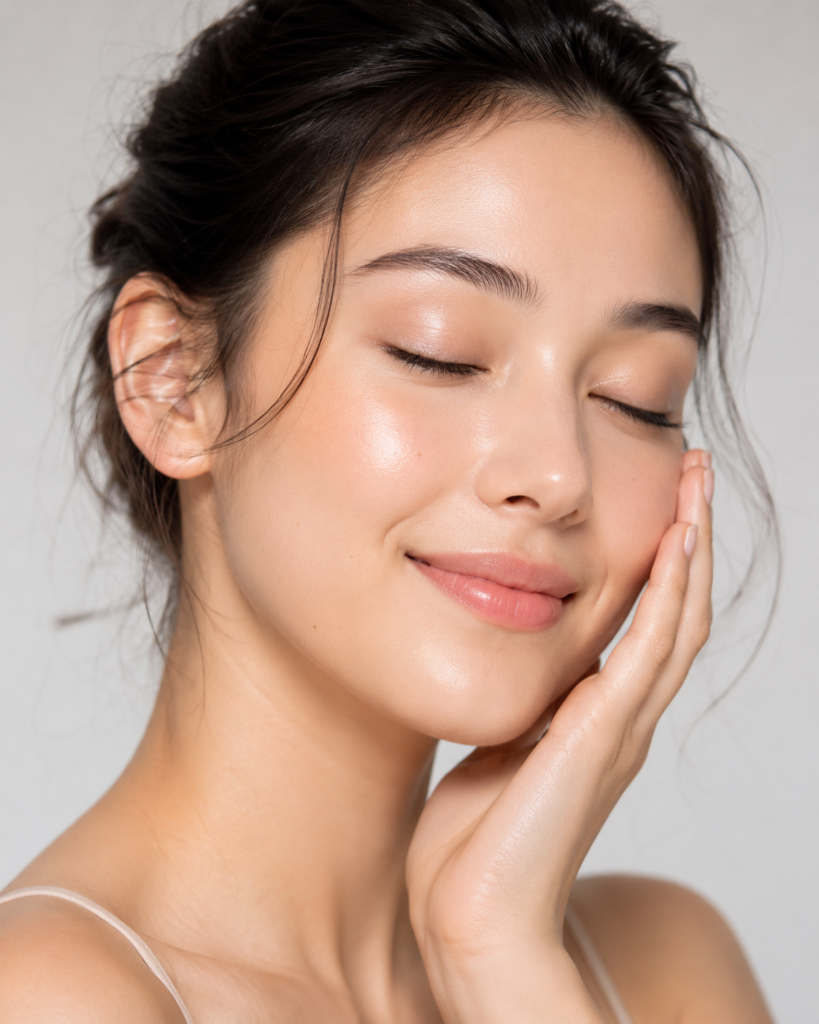
Rosacea does not affect everyone in exactly the same way. Some people mainly notice redness, while others experience burning, stinging, dryness, or acne-like bumps.
The skin may feel:
- Hot or warm
- Sensitive when touched
- Dry and tight
- Burning or stinging
- Slightly itchy
- Irritated after applying skincare products
According to the AAD, even water or skincare products can sometimes cause burning or stinging in people with rosacea. (American Academy of Dermatology)
This sensitivity is one reason why choosing a gentle skincare routine is so important.
Common Signs of Rosacea
Rosacea can produce several visible and uncomfortable symptoms. Common signs include:
Facial Redness
Rosacea often appears in the center of the face, particularly around the cheeks and nose. Depending on skin tone, the color may appear red, violet, or brown. (American Academy of Dermatology)
Flushing
People with rosacea may flush or blush more easily than usual. Episodes can become more frequent or last longer over time.
Acne-Like Bumps
Rosacea can cause small red or pink bumps that may look similar to acne. This is one reason people sometimes confuse rosacea with regular acne.
Visible Blood Vessels
Small visible blood vessels can develop around the cheeks and nose, particularly as rosacea progresses.
Burning and Stinging
Burning and stinging are common sensations associated with rosacea, especially when the skin is irritated. (American Academy of Dermatology)
Dry or Itchy Skin
Rosacea can cause dryness, and dry skin may feel tight or itchy. However, itching itself is not one of the most common features of rosacea. (American Academy of Dermatology)
Why Can Rosacea Become Itchy?
If you have rosacea and notice itching, dryness or irritation may be contributing to the sensation.
Dry Skin
Dryness can weaken the skin barrier and create uncomfortable sensations such as tightness and itching.
Irritating Skincare Products
Fragrances, alcohol-containing products, harsh cleansers, and other irritating ingredients may make sensitive rosacea-prone skin feel worse. Dermatologists recommend choosing gentle products designed for sensitive skin. (American Academy of Dermatology)
Environmental Triggers
Sunlight, heat, cold weather, and other environmental factors can trigger rosacea flare-ups. Triggers are different for everyone. (American Academy of Dermatology)
Sun Exposure
Sun exposure is a common rosacea trigger and can make facial redness and sensitivity worse. Some people may also experience itchy skin or bumps after sun exposure. (American Academy of Dermatology)
Powerful Ways to Calm Itchy Rosacea-Prone Skin
If your rosacea-prone skin feels dry or itchy, a simple routine can help reduce irritation.
1. Use a Gentle Cleanser
Choose a mild cleanser rather than harsh soap. Cleanse gently with your fingertips and avoid scrubbing the face.
The AAD recommends gentle cleansing twice a day for people with rosacea. (American Academy of Dermatology)
2. Moisturize Regularly
A suitable moisturizer can help hydrate dry skin and support the skin barrier. Moisturizing is recommended even when rosacea makes the skin oily because hydration can improve comfort and reduce irritation. (American Academy of Dermatology)
Look for products labeled fragrance-free and suitable for sensitive skin.
3. Protect Your Skin From the Sun
Daily sunscreen is an important part of rosacea-friendly skincare. The NHS recommends using a high-SPF sunscreen of at least SPF 30 every day. (nhs.uk)
Sun protection can be especially helpful if sunlight is one of your personal rosacea triggers.
4. Avoid Scratching
If your skin feels itchy, try not to scratch it. Scratching can further irritate sensitive skin.
Instead, gently pat the area or use a cool, damp cloth for temporary comfort. (nhs.uk)
5. Identify Your Triggers
Rosacea triggers vary from person to person. Common triggers include:
- Sunlight
- Heat
- Stress
- Spicy foods
- Alcohol
- Hot drinks
- Certain skincare products
Keeping track of your flare-ups can help you identify your personal triggers. (nhs.uk)
What Skincare Ingredients Should You Avoid?
Rosacea-prone skin can be extremely sensitive. Some ingredients may increase irritation.
The AAD recommends being cautious with ingredients such as:
- Fragrance
- Alcohol
- Camphor
- Menthol
- Glycolic acid
- Lactic acid
- Sodium lauryl sulfate
Choosing fragrance-free products made for sensitive skin may help reduce irritation. (American Academy of Dermatology)
It is also a good idea to introduce new skincare products slowly instead of applying several new products at once.
When Should You See a Dermatologist?
If your facial itching is persistent, severe, or getting worse, consider consulting a dermatologist.
It is especially important to seek professional advice if:
- Your redness continues to worsen
- You develop frequent flare-ups
- Your skin becomes very painful
- You develop severe swelling
- Your symptoms interfere with daily activities
- You are unsure whether the problem is rosacea
- Your eyes become painful, red, gritty, or sensitive to light
Rosacea can resemble other skin conditions, so getting an accurate diagnosis is important. (American Academy of Dermatology)
Can Rosacea Be Cured?
Currently, there is no permanent cure for rosacea, but treatment can help control symptoms and reduce flare-ups.
A dermatologist may recommend a combination of gentle skincare, trigger avoidance, prescription treatments, or other therapies depending on the symptoms. (American Academy of Dermatology)
The earlier rosacea is recognized and managed, the easier it may be to control uncomfortable symptoms.
Final Thoughts
So, does rosacea itch? Yes, rosacea can sometimes cause itching, but itching is not a common primary symptom. Dryness and irritation associated with rosacea are more likely to make the skin feel itchy.
A gentle cleanser, regular moisturizer, daily sunscreen, trigger avoidance, and professional treatment when necessary can provide effective and powerful support for sensitive rosacea-prone skin.
For reliable medical information, visit the American Academy of Dermatology – Rosacea Resource Center.
Important: This article is for general educational purposes and is not a substitute for professional medical advice. If you have persistent, severe, or unusual symptoms, consult a qualified healthcare professional.
SEO Title: Does Rosacea Itch? 7 Powerful Facts, Symptoms & Relief Tips
Focus Keyword: Does Rosacea Itch?
Meta Description: Does rosacea itch? Learn why rosacea can cause itching, dryness, burning, and irritation, plus powerful skincare tips and when to see a dermatologist.
Suggested Tags:
#DoesRosaceaItch #Rosacea #RosaceaSymptoms #RosaceaTreatment #ItchySkin #SensitiveSkin #SkinHealth #SkincareTips #FacialRedness #HealthySkin