
Best Hair Care Tips: 15 Powerful Ways to Keep Your Hair Healthy
Best Hair Care Tips: Healthy, shiny, and strong hair does not always require an expensive salon treatment or a complicated routine. The secret often lies in following the right best hair care tips consistently. From choosing the right shampoo to protecting your hair from heat, small daily habits can make a noticeable difference in the way your hair looks and feels.
Every person’s hair is different. Straight, wavy, curly, thick, thin, dry, and oily hair may all require slightly different care. Therefore, the best routine is one that matches your hair type, scalp condition, lifestyle, and specific concerns.
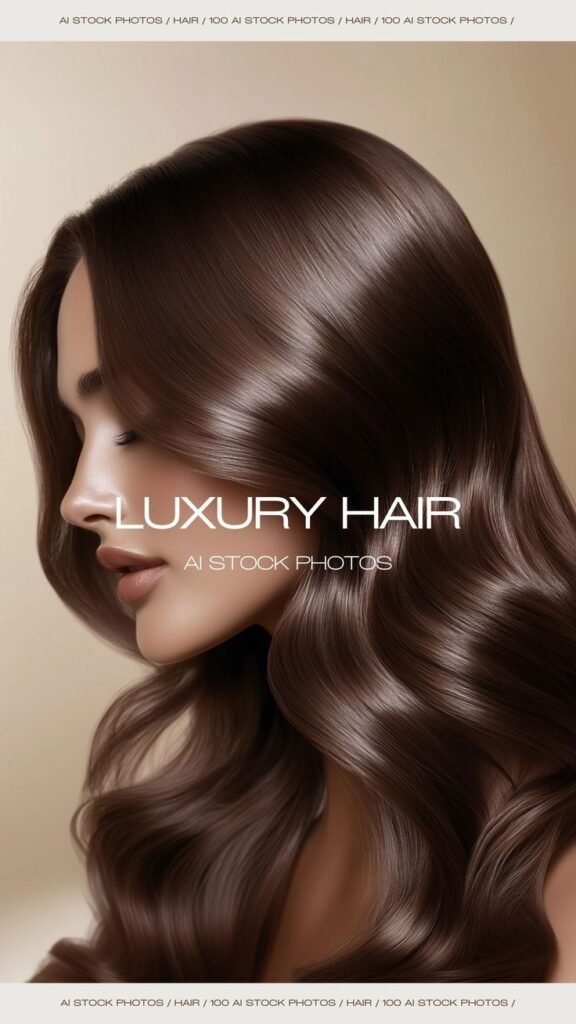
In this guide, you will discover 15 powerful hair care tips that can help you build a simple and effective routine for healthier-looking hair.
1. Know Your Hair Type
Best Hair Care Tips: One of the most important hair care tips is to understand your hair type before choosing products.
Your hair may be:
- Straight
- Wavy
- Curly
- Coily
- Fine
- Medium
- Thick
Your scalp can also be dry, oily, or combination.
Knowing these characteristics makes it easier to choose suitable shampoo, conditioner, styling products, and treatments.
For example, someone with an oily scalp may need more frequent cleansing, while someone with very dry hair may benefit from a moisturizing routine.
2. Choose the Right Shampoo
Shampoo is designed to cleanse the scalp and remove excess oil, dirt, sweat, and product buildup.
However, using a shampoo that is too harsh for your hair may leave it feeling dry or rough.
When choosing a shampoo, consider:
- Your scalp type
- Your hair texture
- Whether your hair is chemically treated
- Whether your scalp is oily or dry
- Your specific hair concerns
If your scalp becomes oily quickly, you may need more frequent washing. If your hair is dry or curly, you may prefer a more moisturizing formula.
3. Do Not Ignore Conditioner
Conditioner is an essential part of a good hair-care routine.
Shampoo cleans the hair and scalp, while conditioner can help make the hair easier to manage and reduce friction during combing.
Apply conditioner mainly to the lengths and ends if your scalp tends to become oily.
Leave it on according to the product instructions and rinse thoroughly.
A good conditioner can make hair feel:
- Softer
- Smoother
- Easier to detangle
- Less rough
- More manageable
4. Wash Your Hair According to Your Scalp
There is no universal rule that everyone must wash their hair on exactly the same schedule.
Your washing frequency should depend on factors such as:
- Scalp oiliness
- Hair texture
- Sweat and activity level
- Product buildup
- Hair treatments
The American Academy of Dermatology recommends washing based on how dirty or oily your hair becomes rather than following a fixed schedule for everyone.
If your scalp becomes greasy quickly, washing more frequently may be appropriate. If your hair is dry or curly, excessive washing may make it feel more dry.
5. Be Gentle When Washing
One of the most effective hair care tips is to treat your hair gently.
Instead of aggressively rubbing your entire hair length with shampoo, concentrate shampoo on the scalp and roots.
Use your fingertips gently rather than scratching with your nails.
A simple washing routine is:
- Wet your hair thoroughly.
- Apply shampoo to the scalp.
- Massage gently with your fingertips.
- Rinse completely.
- Apply conditioner to the lengths and ends.
- Rinse according to the product instructions.
Gentle handling can help reduce unnecessary mechanical damage.
6. Avoid Excessive Heat Styling
Straighteners, curling irons, and high-heat blow dryers can make styling easier, but excessive heat may damage the hair shaft.
Frequent heat exposure can contribute to:
- Dryness
- Rough texture
- Split ends
- Breakage
- Loss of shine
Try using the lowest effective temperature and avoid repeatedly passing a straightener over the same section.
The American Academy of Dermatology also recommends limiting practices that can damage fragile hair.
7. Do Not Brush Wet Hair Aggressively
Wet hair can be more vulnerable to breakage.
Instead of pulling through knots, gently remove tangles starting from the ends and gradually moving upward.
A wide-tooth comb can be useful for detangling certain hair types.
Remember:
Start at the ends → remove small tangles → move toward the roots.
This can be much gentler than forcing a brush through a large knot.
8. Avoid Very Tight Hairstyles
Tight ponytails, buns, braids, and other hairstyles can continuously pull on the hair.
Repeated tension may contribute to a type of hair loss called traction alopecia.
Try to:
- Avoid excessively tight ponytails.
- Change hairstyles regularly.
- Give your scalp breaks from tight styles.
- Avoid pulling hair tightly while sleeping.
- Use gentle hair accessories.
If a hairstyle causes scalp pain or headaches, it is probably too tight.
9. Protect Your Hair From the Sun
Your hair and scalp are exposed to sunlight, especially during outdoor activities.
Long periods of sun exposure can contribute to dryness and may affect the appearance and condition of the hair.
When spending extended time outdoors, consider:
- Wearing a hat
- Staying in shade when possible
- Protecting your scalp if your hair is thinning
- Using hair products designed for UV protection when appropriate
A simple hat can be a practical addition to your outdoor routine.
10. Eat a Balanced Diet
Beautiful hair starts with overall health.
A balanced diet can provide nutrients your body needs to maintain normal hair growth.
Include a variety of:
- Eggs
- Fish
- Chicken
- Lentils
- Beans
- Vegetables
- Fruits
- Whole grains
- Nuts and seeds
- Dairy or suitable alternatives
Protein is particularly important because hair is primarily made of a protein called keratin.
However, supplements should not automatically be used whenever hair shedding occurs. The American Academy of Dermatology recommends checking for deficiencies before taking certain supplements such as iron or biotin.
11. Keep Your Scalp Clean
A healthy hair routine starts at the scalp.
Sweat, oil, dead skin cells, and styling products can accumulate on the scalp.
Regular cleansing can help maintain a clean scalp environment.
If you experience persistent:
- Itching
- Flaking
- Redness
- Burning
- Pain
- Excessive scaling
you may need professional advice rather than simply adding more hair products.
12. Use Hair Oil Wisely
Hair oils are popular in many traditional hair-care routines.
Depending on your hair type, oils such as coconut, argan, or jojoba oil may help make hair feel softer and reduce dryness.
However, oil does not automatically mean faster hair growth.
If your scalp is naturally oily or prone to buildup, applying large amounts of oil may not be comfortable.
A simple approach is to use a small amount on the lengths and ends when needed.
13. Trim Damaged Ends
Regular trimming does not make hair follicles grow faster, but it can help remove visibly damaged ends and make hair appear healthier.
If you notice:
- Split ends
- Rough ends
- Frequent tangling
- Excessive breakage
a small trim may improve the appearance and manageability of your hair.
The goal is not necessarily to cut a large amount of hair but to remove damaged sections when needed.
14. Choose Hair Products Carefully
More products do not necessarily mean better hair.
A simple routine may be more practical:
Shampoo + conditioner + occasional treatment + suitable styling product
When choosing products, consider your hair’s actual needs.
For example:
Dry Hair
Look for moisturizing and conditioning products.
Oily Hair
Focus on scalp cleansing and avoid excessive heavy products near the roots.
Curly Hair
Prioritize moisture and gentle detangling.
Fine Hair
Avoid applying very heavy products close to the roots if they make your hair look flat.
15. Give Your Hair Time
One of the most important powerful hair care tips is patience.
Hair does not become dramatically healthier overnight.
If your hair has been damaged by frequent coloring, heat styling, tight hairstyles, or poor handling, improving your routine can take time.
Instead of constantly changing products, create a simple routine and follow it consistently.
Healthy-looking hair is usually the result of repeated good habits rather than one magical treatment.
Best Hair Care Routine for Beginners
If you are confused about where to start, keep your routine simple.
Step 1: Cleanse
Use a shampoo appropriate for your scalp.
Step 2: Condition
Apply conditioner to the lengths and ends.
Step 3: Detangle Gently
Use a suitable comb and start from the ends.
Step 4: Reduce Heat
Let your hair air-dry when practical and avoid excessive heat styling.
Step 5: Protect
Use loose hairstyles and protect your hair from excessive environmental exposure.
Step 6: Maintain Nutrition
Eat a varied and balanced diet.
Step 7: Stay Consistent
Give your routine time to work.
Best Hair Care Tips for Dry Hair
Dry hair often needs extra moisture and gentle handling.
Try these tips:
- Avoid very hot water.
- Use a moisturizing conditioner.
- Reduce heat styling.
- Avoid excessive chemical treatments.
- Detangle gently.
- Consider a small amount of suitable hair oil on the ends.
- Avoid washing more frequently than your scalp requires.
If your hair remains extremely dry despite changing your routine, consider discussing it with a dermatologist.
Best Hair Care Tips for Oily Hair
If you have an oily scalp, focus on scalp cleansing rather than adding large amounts of oil.
Helpful habits include:
- Wash according to your scalp’s needs.
- Avoid applying heavy oils directly to the roots if they increase greasiness.
- Rinse shampoo and conditioner thoroughly.
- Avoid constantly touching your scalp.
- Clean brushes and combs regularly.
Best Hair Care Tips for Hair Fall
Hair shedding can have many causes.
It may be associated with factors such as:
- Stress
- Illness
- Nutritional deficiencies
- Hormonal changes
- Genetics
- Certain medications
- Tight hairstyles
- Hair-care damage
If you experience sudden, severe, or persistent hair loss, it is important to identify the cause instead of relying only on home remedies.
The American Academy of Dermatology provides useful information about causes, diagnosis, and treatment of hair loss.
Common Hair Care Mistakes to Avoid
Even a good routine can become less effective if you repeatedly make damaging choices.
Avoid:
- Washing with extremely hot water
- Excessive heat styling
- Tight hairstyles every day
- Aggressive brushing
- Pulling out tangles
- Frequent harsh chemical treatments
- Ignoring persistent scalp problems
- Taking supplements without checking whether you need them
Final Thoughts
Following the best hair care tips does not have to be complicated or expensive. Understanding your hair type, keeping your scalp clean, using conditioner, reducing heat damage, avoiding tight hairstyles, eating a balanced diet, and handling your hair gently can create a powerful foundation for healthier-looking hair.
The most important thing is consistency. Instead of searching for a single magical product, focus on building simple habits that protect your hair over time.
If you are experiencing significant hair loss, bald patches, scalp inflammation, or sudden changes in your hair, consult a dermatologist to determine the underlying cause.
External Resource: For medically reviewed information about hair care and hair loss, visit the American Academy of Dermatology.
SEO Information
Focus Keyword: Best Hair Care Tips
SEO Title: Best Hair Care Tips: 15 Powerful Ways to Keep Your Hair Healthy
Meta Description: Discover the best hair care tips for healthy, strong, and shiny hair. Learn simple ways to care for dry, oily, damaged, and falling hair.
Power Words: Powerful, Effective, Essential, Healthy, Simple, Magical, Proven, Smart
Suggested Tags: Hair Care, Healthy Hair, Hair Growth, Hair Fall, Dry Hair, Oily Hair, Hair Tips, Natural Hair Care