
Acne Treatment: 9 Powerful Ways to Get Clearer and Healthier Skin
Acne Treatment:Acne is one of the most common skin concerns that affects teenagers and adults alike. Pimples, blackheads, whiteheads, and occasional breakouts can appear on the face, chest, shoulders, and back. Although acne is usually not dangerous, persistent breakouts can affect confidence and may sometimes leave dark spots or scars.
The good news is that with the right acne treatment, a consistent skincare routine, and suitable ingredients, acne can often be managed effectively. The key is understanding what is causing your breakouts and choosing products that match your skin’s needs.
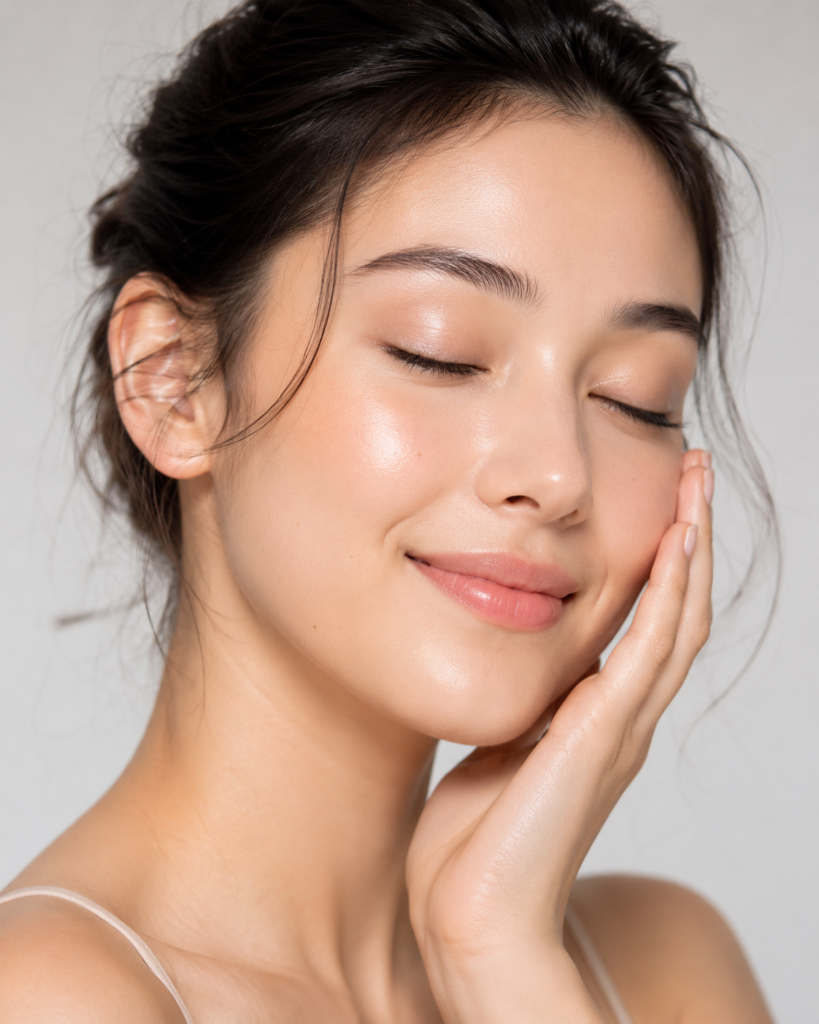
What Causes Acne?
Acne develops when hair follicles become clogged with oil, dead skin cells, and other debris. Excess oil production and bacteria can contribute to inflammation, resulting in different types of pimples.
Several factors can make acne worse, including:
- Excess oil production
- Hormonal changes
- Clogged pores
- Certain cosmetics or skincare products
- Stress
- Lack of a consistent skincare routine
- Picking or squeezing pimples
- Some medications
- Genetic factors
Understanding these triggers can help you build a more powerful and effective approach to acne care.
1. Choose a Gentle Cleanser
Cleansing is an important part of an acne-friendly routine. A gentle cleanser can remove excess oil, sweat, sunscreen, and impurities without unnecessarily irritating the skin.
Wash your face gently rather than scrubbing aggressively. Over-cleansing or using harsh products can irritate the skin and potentially make breakouts appear worse.
For oily or acne-prone skin, look for a cleanser that is gentle and suitable for your skin type.
2. Salicylic Acid for Clogged Pores
Salicylic acid is a popular ingredient used in many acne products. It belongs to a group of ingredients called beta hydroxy acids (BHAs) and can help exfoliate the skin and unclog pores.
It may be particularly useful for people dealing with blackheads and clogged pores.
However, using too much exfoliating acid can cause dryness or irritation. Start slowly and follow the instructions provided with the product.
3. Benzoyl Peroxide for Acne-Causing Bacteria
Benzoyl peroxide is another well-known ingredient used in acne care. It can help reduce acne-causing bacteria and is commonly found in over-the-counter acne products.
It may be available in different strengths and formulations. If your skin is sensitive, introducing it gradually may help reduce irritation.
Benzoyl peroxide can also bleach fabrics, so be careful when using it around towels, clothing, and pillowcases.
4. Retinoids Can Support Acne Treatment
Topical retinoids are frequently used in acne management. They help promote normal shedding of skin cells and can prevent pores from becoming clogged.
Adapalene is one topical retinoid that is available without a prescription in some countries. Other retinoids may require professional advice or a prescription.
Because retinoids can cause dryness and irritation, beginners should introduce them carefully and follow product directions.
5. Never Pick or Squeeze Pimples
One of the most important acne-care rules is to avoid squeezing pimples.
Although popping a pimple can seem tempting, doing so can increase irritation and may contribute to inflammation, discoloration, and scarring.
Instead of picking, keep your skincare routine simple and allow the breakout to heal.
6. Use a Non-Comedogenic Moisturizer
People with acne-prone skin sometimes avoid moisturizers because they think moisturizer will make their skin oily. However, skipping moisturizer can leave the skin dry and irritated, especially when using acne treatments.
A lightweight, non-comedogenic moisturizer can help support the skin barrier without unnecessarily clogging pores.
Look for products labeled non-comedogenic or designed specifically for acne-prone skin.
7. Sunscreen Is Essential
Sunscreen should not be ignored when treating acne. Acne and inflammation can leave behind dark marks, and sun exposure can make pigmentation more noticeable.
Choose a broad-spectrum sunscreen that feels comfortable on your skin and is suitable for acne-prone skin.
Applying sunscreen every morning can be an essential step in protecting your skin while working toward a clearer-looking complexion.
8. Don’t Use Too Many Acne Products at Once
More products do not always mean better results.
Using several strong ingredients at the same time can cause excessive dryness, redness, peeling, and irritation. Instead, introduce products gradually and give your skin time to adjust.
A simple routine can include:
Morning:
- Gentle cleanser
- Lightweight moisturizer
- Sunscreen
Night:
- Gentle cleanser
- Appropriate acne treatment
- Moisturizer
The exact routine can vary depending on your skin type and the severity of your acne.
9. When Should You See a Dermatologist?
Mild acne can sometimes be managed with over-the-counter products. However, professional advice may be appropriate if your acne is:
- Severe or widespread
- Painful or deeply inflamed
- Leaving scars
- Not improving with basic skincare
- Affecting your confidence or daily life
- Frequently returning
A dermatologist can assess your skin and recommend an appropriate treatment plan.
For additional reliable information about acne, you can visit the American Academy of Dermatology’s acne resource:
American Academy of Dermatology — Acne
Acne Treatment for Different Types of Acne
Not every pimple is the same. Whiteheads and blackheads are different from deep, painful inflammatory acne.
Whiteheads
Whiteheads occur when pores become clogged and remain closed at the surface. Gentle cleansing and ingredients such as salicylic acid may help manage clogged pores.
Blackheads
Blackheads are open clogged pores. Despite their appearance, the dark color is not simply dirt. Appropriate exfoliating ingredients can help keep pores clearer.
Inflammatory Pimples
Red, swollen pimples are inflammatory acne. Ingredients such as benzoyl peroxide may be useful, while persistent or severe inflammation may require professional treatment.
Cystic or Nodular Acne
Deep and painful acne can be more difficult to manage and may have a higher risk of scarring. Dermatologist-guided treatment is often important for this type of acne.
Common Acne Treatment Mistakes
Some common mistakes can make an acne routine less effective.
Scrubbing the Skin Too Hard
Aggressive scrubbing can irritate the skin. Acne-prone skin generally benefits from gentle cleansing.
Changing Products Too Frequently
Skin often needs time to respond to a treatment. Constantly switching products can make it difficult to determine what is actually working.
Skipping Sunscreen
Acne marks can become more noticeable with sun exposure, so daily sunscreen is an important part of an overall skincare routine.
Using Heavy or Unsuitable Products
Some makeup, hair products, and skincare products may contribute to clogged pores in certain people. Choosing non-comedogenic options may help.
Popping Pimples
Squeezing breakouts can increase inflammation and may increase the risk of marks and scars.
Can Diet Affect Acne?
The relationship between diet and acne can vary from person to person. Some research has investigated associations between acne and certain dietary patterns, including high-glycemic foods and dairy.
However, diet should not replace evidence-based acne treatment. If you notice that particular foods consistently seem to trigger your breakouts, discussing your diet with a qualified healthcare professional may be helpful.
How Long Does Acne Treatment Take to Work?
One of the biggest mistakes people make is expecting overnight results.
Acne treatments often require consistent use over time. Depending on the treatment, severity of acne, and individual skin response, improvement may take several weeks or longer.
Instead of changing your routine every few days, focus on consistency and monitor how your skin responds.
Final Thoughts
Finding the right acne treatment is not about using the strongest product possible. It is about choosing appropriate ingredients, maintaining a consistent routine, protecting your skin from the sun, and avoiding habits that can worsen irritation.
For mild acne, ingredients such as salicylic acid and benzoyl peroxide may be useful options. For persistent, painful, or severe acne, professional dermatological advice can provide a more personalized approach.
With patience and a powerful, consistent skincare routine, healthier-looking and clearer skin can become a realistic skincare goal.