Best Treatment for Dandruff at Home: 11 Powerful Ways to Control Flakes and Itchy Scalp
Best Treatment for Dandruff at Home:Dandruff is one of the most common scalp problems. Those annoying white flakes on your shoulders, an itchy scalp, dryness, and excessive oil can make your hair look unhealthy and affect your confidence. The good news is that mild dandruff can often be managed at home with the right scalp-care routine and an appropriate anti-dandruff shampoo.
If you are searching for the best treatment for dandruff at home, it is important to understand that dandruff can have different causes. Dry skin, oily scalp, irritation from hair products, and a yeast called Malassezia can all contribute to dandruff. Some skin conditions, including seborrheic dermatitis, psoriasis, and eczema, can also cause flaking.
In this guide, we will discuss powerful and practical ways to control dandruff at home, how to choose an effective shampoo, common mistakes to avoid, and when you should consult a dermatologist.
What Is Dandruff?
Dandruff is a common scalp condition that causes visible flakes of skin. It may also cause itching and scalp irritation. In many cases, dandruff is mild and can be controlled with regular scalp care and specialized shampoos.
Dandruff isn’t contagious, and having dandruff does not necessarily mean that your scalp is dirty. It can be related to oil production, dry skin, sensitivity to hair products, or the activity of Malassezia yeast on the scalp.
What Causes Dandruff?
Best Treatment for Dandruff at Home: Before choosing the best treatment for dandruff at home, it helps to understand what may be causing it.
1. Oily Scalp
An oily scalp can create an environment where dandruff becomes more noticeable. Excess oil can combine with dead skin cells and contribute to flakes.
2. Dry Scalp
Cold or dry weather may make the scalp feel dry and uncomfortable. This can lead to visible flakes and itching.
3. Malassezia Yeast
Malassezia is a type of yeast that normally lives on the scalp. In some people, it contributes to dandruff and seborrheic dermatitis.
4. Hair Products
Some shampoos, gels, sprays, dyes, and styling products can irritate the scalp. Product buildup may also make scalp problems worse.
5. Skin Conditions
Persistent or severe flaking may sometimes be associated with seborrheic dermatitis, psoriasis, eczema, or another scalp condition.
Best Treatment for Dandruff at Home
1. Use an Anti-Dandruff Shampoo
Best Treatment for Dandruff at Home: One of the most effective home treatments is using an appropriate anti-dandruff shampoo. Depending on the product, active ingredients can include ketoconazole, selenium sulfide, pyrithione zinc, salicylic acid, or coal tar. These ingredients work in different ways to reduce flakes, itching, scaling, or the microorganisms associated with dandruff.
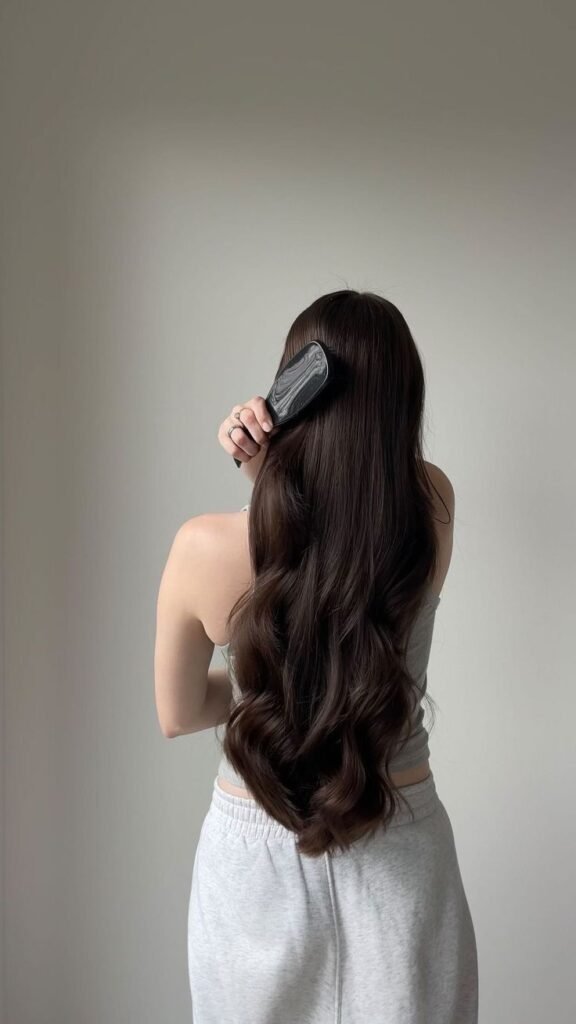
Choose a shampoo based on your scalp and follow the instructions on the bottle.
Do not simply apply the shampoo to your hair lengths. Massage it gently into the scalp, because that is where dandruff develops.
2. Give the Shampoo Enough Contact Time
One common mistake is applying dandruff shampoo and immediately rinsing it.
Many medicated dandruff shampoos need to remain on the scalp for several minutes so that their active ingredients can work properly. Always follow the instructions provided with your particular product.
This simple change can make your anti-dandruff routine much more effective.
3. Wash Your Scalp Regularly
Regular washing can remove excess oil, dead skin cells, and product buildup from the scalp. People with oily scalps may need to wash more frequently, while people with curly, coily, or textured hair may have different washing needs.
Avoid extremely hot water because it can leave the scalp feeling dry and irritated.
Use lukewarm water and gently massage your scalp with your fingertips.
4. Avoid Scratching Your Scalp
When dandruff causes itching, scratching can feel tempting. However, aggressive scratching may irritate the scalp and potentially cause small injuries.
Instead, gently massage the scalp while washing your hair.
If your scalp is extremely itchy, painful, swollen, or develops sores, don’t assume it is ordinary dandruff. A dermatologist can help determine the cause.
5. Reduce Hair Product Buildup
Hair gels, sprays, waxes, dry shampoos, and other styling products can accumulate on the scalp.
If you regularly use styling products, make sure you cleanse your scalp properly. The American Academy of Dermatology notes that regular shampooing with water helps remove oil, dead skin cells, and buildup from the scalp.
A clean scalp can make your overall hair-care routine more comfortable.
6. Choose Gentle Hair-Care Products
If your scalp is sensitive, strongly fragranced or irritating products may make discomfort worse.
Look for products that are suitable for your scalp type and avoid products that consistently cause burning, itching, or irritation.
If a dandruff shampoo causes significant itching, burning, or stinging, stop using it and consider another option.
7. Manage Stress
Stress doesn’t necessarily cause dandruff by itself, but it can make some scalp conditions worse.
Try incorporating simple stress-management habits into your daily routine, such as:
- Walking
- Exercise
- Deep breathing
- Meditation
- Adequate sleep
- Spending time on hobbies
A healthy lifestyle can support your overall skin and scalp health.
8. Don’t Overuse Home Remedies
Many websites recommend homemade dandruff treatments containing ingredients such as lemon juice, baking soda, vinegar, or essential oils.
However, “natural” does not automatically mean safe or effective.
For example, Mayo Clinic notes that there isn’t strong evidence that tea tree oil treats dandruff, and it can cause allergic reactions in some people.
Instead of experimenting with harsh kitchen ingredients, a properly formulated anti-dandruff shampoo is generally a more predictable option.
9. Try a Different Active Ingredient if One Doesn’t Work
Not every dandruff shampoo works equally well for every person.
If one active ingredient doesn’t improve your symptoms, another may work differently. Mayo Clinic notes that people may need to try different dandruff shampoos, and some people alternate products with different active ingredients.
Common ingredients include:
| Ingredient | Common purpose |
|---|---|
| Ketoconazole | Helps control yeast associated with dandruff |
| Selenium sulfide | Helps reduce dandruff and scalp scaling |
| Pyrithione zinc | Helps control dandruff |
| Salicylic acid | Helps loosen and remove scales |
| Coal tar | Helps reduce scaling and itching |
Always follow the directions on the specific product you use.
10. Keep Your Scalp Routine Consistent
One of the biggest mistakes people make is treating dandruff only when flakes become visible.
Dandruff can return after it improves. Mayo Clinic explains that there is no permanent cure for dandruff, but symptoms can usually be managed with appropriate treatment.
Once your scalp improves, follow the maintenance instructions for your shampoo rather than suddenly abandoning your routine.
11. Keep Your Hair Tools Clean
Your scalp comes into contact with combs, brushes, hair accessories, pillowcases, and other items regularly.
Clean your brushes and combs periodically and avoid sharing personal hair-care tools.
Keeping your hair-care environment clean can help reduce buildup and support a healthier scalp routine.
Best Ingredients to Look for in an Anti-Dandruff Shampoo
When searching for the best treatment for dandruff at home, the ingredient list is more important than attractive packaging or marketing claims.
Look for recognized anti-dandruff ingredients such as:
Ketoconazole
Ketoconazole is an antifungal ingredient commonly used in dandruff shampoos. It can be particularly useful when yeast is contributing to scalp flaking.
Selenium Sulfide
Selenium sulfide is another commonly used active ingredient in anti-dandruff shampoos. It can help control scaling and dandruff.
Pyrithione Zinc
Pyrithione zinc has traditionally been used in anti-dandruff products to help control flakes.
Salicylic Acid
Salicylic acid can help loosen and remove scales from the scalp. It may be useful when thick flakes or buildup are present.
Coal Tar
Coal tar can help reduce scaling and itching, although it may have drawbacks such as discoloration of light-colored hair and increased sun sensitivity.
Can Oil Treat Dandruff?
Hair oils can make hair feel softer, but oil alone should not be considered a reliable treatment for dandruff.
If your dandruff is related to an oily scalp or seborrheic dermatitis, applying large amounts of oil may not be the best approach.
Instead, focus on cleansing the scalp appropriately and using an anti-dandruff shampoo when needed.
Can Lemon Juice Remove Dandruff?
Lemon juice is a popular DIY remedy, but applying acidic ingredients directly to an irritated scalp may cause discomfort.
There is not enough evidence to consider lemon juice a proven dandruff treatment. If your scalp is already itchy or inflamed, it is better to avoid potentially irritating DIY treatments.
Can Apple Cider Vinegar Treat Dandruff?
Apple cider vinegar is another popular home remedy found online. However, it should not replace evidence-based dandruff treatment.
Undiluted acidic products can irritate the scalp, especially if the skin barrier is already damaged.
For persistent dandruff, a properly formulated anti-dandruff shampoo is a more reliable choice.
How Often Should You Use Dandruff Shampoo?
The correct frequency depends on the product, your scalp, hair type, and severity of dandruff.
Some people may tolerate dandruff shampoo two or three times per week, while people with curly, coily, or textured hair may need to use it less frequently. Always follow the product directions.
Once dandruff improves, some people continue using an anti-dandruff shampoo less frequently as maintenance.
Simple Weekly Dandruff Hair-Care Routine
A simple routine can make managing dandruff much easier.
Morning
- Avoid unnecessary scalp products.
- Keep your scalp comfortable and clean.
- Avoid excessive scratching.
Wash Day
- Wet your scalp with lukewarm water.
- Apply anti-dandruff shampoo directly to the scalp.
- Massage gently with your fingertips.
- Leave it on for the recommended time.
- Rinse thoroughly.
- Use conditioner mainly on the hair lengths if needed.
Between Washes
- Avoid excessive styling products.
- Don’t scratch flakes aggressively.
- Keep brushes and combs clean.
- Follow the recommended shampoo schedule.
When Should You See a Dermatologist?
Home treatment may be enough for mild dandruff, but you should consider professional advice if your symptoms are severe or persistent.
See a dermatologist if:
- Dandruff doesn’t improve after several weeks of appropriate shampoo use.
- Your scalp becomes very red or swollen.
- You develop painful areas or sores.
- There is significant crusting.
- You experience severe itching.
- Flaking spreads to your face, eyebrows, ears, or other areas.
- You notice unusual hair loss.
- A product causes a strong allergic reaction.
If standard dandruff treatment doesn’t help, another condition such as seborrheic dermatitis, psoriasis, eczema, or contact dermatitis may need to be considered.
Final Thoughts
Finding the best treatment for dandruff at home doesn’t necessarily require complicated DIY recipes. A consistent scalp-care routine, regular cleansing, and the right anti-dandruff shampoo can help many people control mild dandruff.
Look for active ingredients such as ketoconazole, selenium sulfide, pyrithione zinc, salicylic acid, or coal tar, depending on your needs. Follow the product instructions carefully and give your routine enough time to work.
Most importantly, don’t ignore persistent or severe scalp symptoms. If dandruff continues despite proper home treatment, a dermatologist can identify the underlying cause and recommend a more suitable treatment.
Helpful External Resource
For additional dermatologist-backed information about dandruff and scalp care, you can visit the American Academy of Dermatology (AAD) and its hair/scalp-care resources.
External link: American Academy of Dermatology – Dandruff & Scalp Care
SEO Details
Focus Keyword: Best treatment for dandruff at home
Suggested SEO Title: Best Treatment for Dandruff at Home: 11 Powerful Ways to Stop Flakes
Power Words: Powerful, Effective, Simple, Proven, Essential, Complete
Meta Description: Discover the best treatment for dandruff at home with 11 powerful tips, effective anti-dandruff ingredients, scalp-care advice, and common mistakes to avoid.
Suggested Tags: dandruff treatment, dandruff home remedies, itchy scalp, dry scalp, anti dandruff shampoo, scalp care, healthy hair, dandruff remedies