
How to Stop Hair Fall Naturally: 11 Powerful Tips for Stronger, Healthier Hair
How to Stop Hair Fall Naturally:Hair fall is a common concern that can affect both men and women. Losing some hair every day is normal, but excessive shedding can become frustrating and may make your hair look thinner over time. Stress, poor nutrition, hormonal changes, harsh hair treatments, scalp problems, and certain medical conditions can all contribute to increased hair loss.
The good news is that there are several powerful natural ways to support healthier hair and reduce unnecessary hair shedding. A consistent hair-care routine, balanced diet, gentle scalp care, and a healthy lifestyle can make a meaningful difference.
In this guide, we will discuss how to stop hair fall naturally, what habits may be damaging your hair, which nutrients support normal hair growth, and when you should consider speaking with a dermatologist.
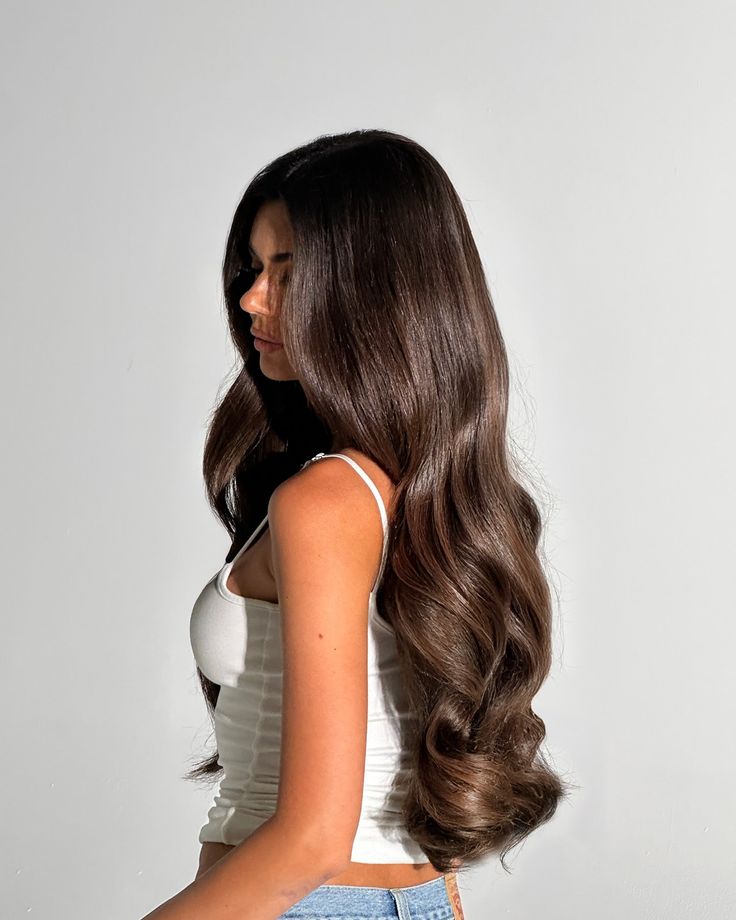
What Causes Hair Fall?
How to Stop Hair Fall Naturally: Before trying to reduce hair fall, it is important to understand what may be causing it. Hair naturally goes through a growth and shedding cycle, so seeing some strands on your pillow, comb, or shower floor is normal.
However, excessive hair shedding may be associated with:
- Stress and lack of sleep
- Poor nutrition
- Low iron or other nutrient deficiencies
- Hormonal changes
- Thyroid problems
- Certain medications
- Tight hairstyles
- Excessive heat styling
- Frequent chemical treatments
- Scalp infections or inflammation
- Hereditary hair loss
- Sudden weight loss
If hair loss is sudden, severe, or occurring in patches, natural remedies alone may not address the underlying cause.
1. Eat a Protein-Rich Diet
How to Stop Hair Fall Naturally: One of the most important steps when learning how to stop hair fall naturally is improving your diet.
Hair is primarily made from a protein called keratin. If your diet does not provide enough protein, your body may not have adequate building blocks for normal hair production.
Try including nutritious protein sources such as:
- Eggs
- Fish
- Chicken
- Lentils
- Beans
- Yogurt
- Milk
- Nuts and seeds
- Chickpeas
A balanced diet containing adequate protein can help support normal hair structure and overall health.
2. Include Iron-Rich Foods
How to Stop Hair Fall Naturally: Iron is another important nutrient for the body. In some people, inadequate iron intake can contribute to hair shedding.
Foods containing iron include:
- Spinach
- Lentils
- Beans
- Chickpeas
- Lean meat
- Eggs
- Pumpkin seeds
- Fortified cereals
If you think you may have an iron deficiency, it is better to speak with a healthcare professional before taking iron supplements. Taking unnecessary supplements can also cause problems.
3. Take Care of Your Scalp
How to Stop Hair Fall Naturally: A healthy scalp provides a better environment for healthy-looking hair.
Wash your scalp regularly according to your hair type and use a gentle shampoo to remove excess oil, sweat, dirt, and product buildup.
Avoid aggressively scratching your scalp because excessive scratching can irritate the skin and potentially worsen scalp problems.
If you experience persistent itching, redness, scaling, or painful areas, consider consulting a dermatologist.
4. Try Gentle Scalp Massage
A gentle scalp massage can be a relaxing addition to your hair-care routine.
Use your fingertips rather than your fingernails and gently massage the scalp for several minutes. Avoid pulling or tugging on the hair while doing so.
Scalp massage should be gentle and comfortable. It should not cause pain, irritation, or excessive hair pulling.
5. Avoid Excessive Heat Styling
Frequent use of straighteners, curling irons, and high-temperature blow dryers can damage the hair shaft.
Damaged hair can become:
- Dry
- Brittle
- Rough
- More prone to breakage
- Difficult to manage
To protect your hair, reduce the frequency of high-heat styling and use lower temperatures whenever possible.
A heat-protective product can also help reduce heat-related damage.
6. Avoid Tight Hairstyles
Constantly wearing very tight ponytails, buns, braids, or other hairstyles that pull on the roots can put stress on the hair.
Over time, repeated tension may contribute to a type of hair loss called traction alopecia.
Choose loose hairstyles whenever possible and avoid tying your hair too tightly, especially while sleeping.
7. Be Gentle When Brushing Wet Hair
Wet hair can be more vulnerable to breakage. Rough brushing immediately after washing may cause unnecessary pulling and breakage.
Instead:
- Gently squeeze excess water from your hair.
- Use a soft towel or microfiber towel.
- Start detangling from the ends.
- Slowly work your way upward.
- Avoid forcefully pulling through knots.
This simple habit can help minimize mechanical damage.
8. Manage Stress
Stress can affect many aspects of overall health, including the normal hair-growth cycle.
Periods of significant physical or emotional stress may sometimes be followed by increased hair shedding.
Helpful stress-management habits may include:
- Regular walking
- Exercise
- Deep breathing
- Meditation
- Spending time outdoors
- Maintaining social connections
- Getting adequate sleep
- Taking breaks from screens
Managing stress will not cure every type of hair loss, but maintaining a healthier lifestyle can support your overall well-being.
9. Get Enough Sleep
Sleep is an important part of general health. Poor sleep can contribute to stress and may make it harder to maintain healthy daily habits.
Try to maintain a consistent sleep schedule and aim for sufficient sleep each night.
Instead of focusing only on expensive hair products, remember that healthy hair care starts with your overall lifestyle.
10. Choose Hair Products Carefully
Some hair products may be too harsh for certain people, especially when used excessively.
If your scalp feels dry, irritated, or uncomfortable after using a product, consider stopping it and choosing a gentler alternative.
Look for products that suit your:
- Hair type
- Scalp condition
- Hair texture
- Styling needs
Remember that expensive does not always mean better. The most important factor is whether a product is appropriate for your hair and scalp.
11. Protect Your Hair From Environmental Damage
Sun exposure, pollution, chlorine, and dry weather can affect hair quality.
You can protect your hair by:
- Wearing a hat when spending prolonged time in strong sunlight
- Rinsing hair after swimming
- Avoiding unnecessary chemical treatments
- Keeping your scalp clean
- Using suitable conditioning products
These simple precautions can help maintain healthier-looking hair.
Natural Oils for Hair Care
Natural oils are commonly used in traditional hair-care routines. Coconut oil, for example, may help condition the hair and reduce some types of hair damage.
However, natural oils should not be considered a guaranteed treatment for medical hair loss.
If you use an oil, apply a small amount and make sure it does not cause itching, redness, or irritation. People with oily or acne-prone scalps may also find some oils uncomfortable.
Does Onion Juice Stop Hair Fall?
Onion juice is a popular home remedy for hair loss, but evidence for its effectiveness is limited.
Some small research has investigated onion juice for certain types of patchy hair loss, but this does not mean it is a proven solution for every type of hair fall.
If you decide to try a home remedy, be careful about scalp irritation and discontinue it if burning, redness, or itching develops.
Vitamins and Supplements for Hair Fall
Many people immediately turn to biotin, iron, zinc, or other supplements when experiencing hair loss.
However, supplements are not automatically beneficial if you are not deficient in a particular nutrient.
Taking excessive amounts of certain vitamins and minerals can actually be harmful.
A better approach is to focus on a balanced diet and discuss persistent hair loss with a healthcare professional. Blood tests may sometimes be recommended when a nutrient deficiency or another medical condition is suspected.
When Should You See a Dermatologist?
Natural hair-care methods may help maintain healthy hair, but excessive hair loss can sometimes be a symptom of an underlying condition.
Consider speaking with a dermatologist if you notice:
- Sudden or severe hair shedding
- Bald patches
- A widening part
- Noticeably thinning hair
- Hair loss from the eyebrows or eyelashes
- Scalp pain or inflammation
- Persistent itching or scaling
- Hair loss after starting a medication
- Hair loss that continues for several months
A dermatologist can evaluate the pattern and possible causes of your hair loss and recommend appropriate treatment.
For reliable information about hair loss and dermatological conditions, you can also visit the American Academy of Dermatology (AAD):
American Academy of Dermatology – Hair Loss
Common Hair-Care Mistakes That Can Increase Breakage
Even if you are following a healthy diet, certain daily habits can damage your hair.
Try to avoid:
- Brushing hair aggressively
- Using very high heat
- Wearing tight hairstyles every day
- Frequent bleaching
- Excessive chemical straightening
- Pulling knots forcefully
- Washing with extremely hot water
- Ignoring scalp irritation
- Using too many styling products
Changing these habits can make your hair-care routine much more effective and protective.
Simple Natural Hair-Care Routine
If you want a simple routine for healthier hair, try this:
Morning:
- Eat a nutritious breakfast.
- Drink enough water throughout the day.
- Avoid unnecessarily tight hairstyles.
During the day:
- Eat protein-rich foods.
- Include fruits and vegetables.
- Protect your hair from excessive sunlight and environmental exposure.
Hair-wash days:
- Use a suitable gentle shampoo.
- Massage the scalp gently.
- Apply conditioner mainly to the lengths and ends.
- Avoid aggressive towel drying.
Night:
- Gently detangle your hair.
- Avoid sleeping with extremely tight hairstyles.
- Maintain a consistent sleep schedule.
Final Thoughts
Learning how to stop hair fall naturally starts with understanding that healthy hair depends on more than one product or home remedy. Nutrition, scalp care, stress management, sleep, gentle styling, and avoiding unnecessary damage can all contribute to healthier-looking hair.
The most powerful approach is consistency. Give your hair and scalp proper care, maintain a balanced diet, and avoid harsh treatments whenever possible.
However, natural methods are not a substitute for medical evaluation when hair loss is severe, sudden, patchy, or persistent. Identifying the underlying cause is often the most important step toward appropriate treatment.