
Salt Facial: 7 Powerful Benefits, Procedure, Aftercare & Complete Guide
Salt facial is a professional skincare treatment designed to refresh, exfoliate, hydrate, and rejuvenate the appearance of the skin. It has become popular among people who want smoother, brighter, and healthier-looking skin without invasive procedures.
Unlike an ordinary facial, this treatment commonly combines exfoliation with ultrasound technology and LED light therapy. The exact procedure can vary depending on the clinic and equipment being used.
If you are curious about this modern skincare treatment, this guide explains its benefits, procedure, suitable skin types, aftercare, possible side effects, and frequently asked questions.
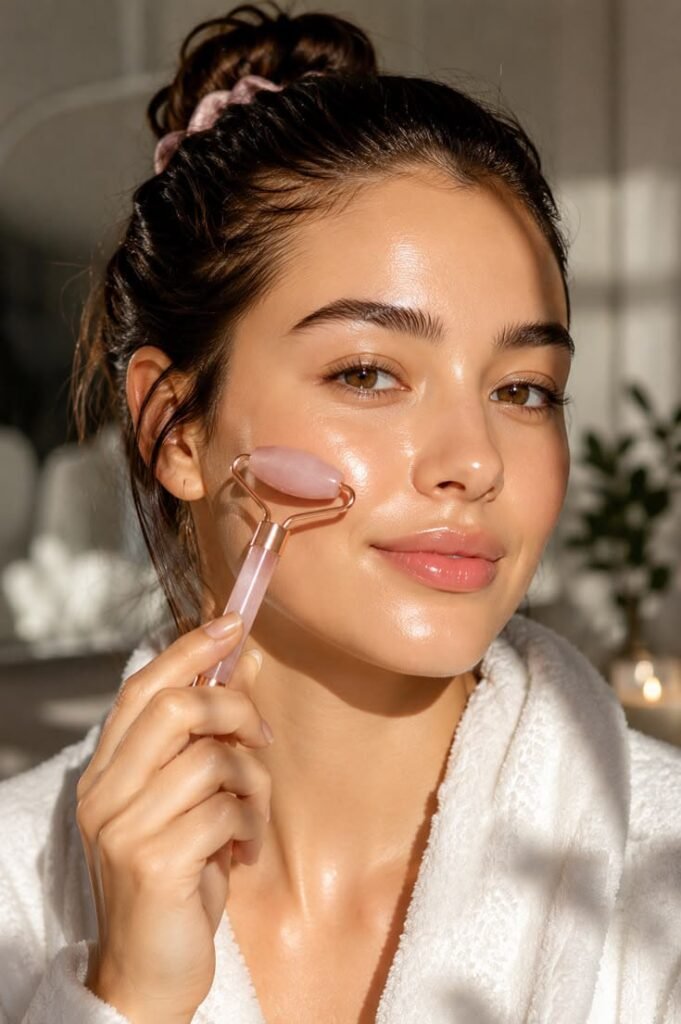
What Is a Salt Facial?
Salt Facial: A salt facial is a professional cosmetic treatment that commonly uses fine sea salt to exfoliate the surface of the skin. It may then combine ultrasound infusion and LED phototherapy as part of a three-step treatment.
The exfoliation step helps remove dead surface skin cells, while the following steps are designed to provide hydration and support a refreshed appearance.
Because the treatment uses professional equipment, it should be performed by a qualified skincare professional rather than attempting to recreate the procedure at home with ordinary salt.
How Does It Work?
The treatment generally involves three important stages.
1. Exfoliation
Salt Facial: The first stage gently exfoliates the surface of the skin. This can help remove accumulated dead skin cells and leave the skin feeling smoother.
2. Ultrasound Infusion
The second stage uses ultrasound technology with selected topical products. Depending on the clinic, hydrating or nourishing formulations may be used.
3. LED Light Therapy
The final stage commonly involves LED light therapy. Different wavelengths of LED light may be selected according to the treatment goals and equipment available.
This combination makes the procedure different from a basic spa facial.
10 Powerful Benefits
1. Helps Remove Dead Skin Cells
Regular buildup of dead skin cells can make the complexion appear dull and rough. Professional exfoliation can help create a smoother-looking surface.
2. Promotes Smoother Skin
After exfoliation, many people notice that their skin feels softer and smoother. This can create a more polished appearance.
3. Gives Skin a Fresh Glow
One of the most appealing benefits is the refreshed appearance that may follow treatment. Hydration and exfoliation can make dull-looking skin appear more radiant.
4. Supports Hydration
The treatment may include hydrating products during the ultrasound stage. This can be particularly useful for skin that feels dry or dehydrated.
5. Improves the Appearance of Texture
Exfoliation may temporarily make uneven texture look more refined. Results depend on the condition of the skin and the treatment protocol.
6. May Help Congested-Looking Skin
Removing surface buildup may help skin appear cleaner and more refined. However, people with significant acne or inflammation should receive professional advice before undergoing exfoliating treatments.
7. Can Complement Acne Care
Some treatment protocols include LED therapy, which is commonly used in professional skincare for acne-related concerns. However, this procedure should not replace medically appropriate acne treatment.
8. Non-Surgical Treatment
The procedure is non-surgical and does not involve cosmetic injections or surgery. Many providers describe it as a low-downtime treatment.
9. Can Be Customized
Professional treatments can often be adjusted according to individual skin concerns. A provider may focus on hydration, exfoliation, or rejuvenation depending on the person’s needs.
10. Creates a Refreshed Appearance
The combination of exfoliation, hydration, and light therapy can provide a temporary fresh and healthy-looking appearance.
Salt Facial for Different Skin Types
Different skin types can react differently to professional exfoliation.
Dry Skin
People with dry skin may appreciate the hydration-focused part of the treatment. However, very dry, cracked, or irritated skin may need barrier repair before exfoliation.
Oily Skin
Oily skin can benefit from a skincare routine that focuses on gentle cleansing and appropriate exfoliation. A professional can determine whether this treatment is suitable.
Combination Skin
People with combination skin may have both oily and dry areas. A customized professional treatment can take these differences into consideration.
Sensitive Skin
Sensitive skin requires additional caution. Exfoliation can sometimes cause redness or irritation, so discuss your skin sensitivity with the provider before treatment.
What Happens During the Treatment?
A typical appointment may begin with a consultation and skin assessment.
The provider may then:
- Cleanse the skin
- Perform the exfoliation step
- Apply selected skincare products
- Use ultrasound technology
- Apply LED light therapy
- Finish with moisturizer and sun protection
The exact steps can vary between clinics, so always ask the provider what their treatment includes.
How Long Does the Treatment Take?
Treatment time varies according to the provider, equipment, and customized procedure.
Many professional clinics offer sessions lasting approximately 45–75 minutes, although shorter or longer appointments are possible.
Before booking, ask the clinic about the exact treatment duration.
Is It Painful?
Most people describe professional exfoliating facials as comfortable, although individual sensitivity can vary.
You may experience mild sensations during exfoliation or LED treatment. If you feel significant burning, pain, or discomfort, tell the provider immediately.
What Results Can You Expect?
Results vary from person to person.
Some people may notice:
- Smoother-feeling skin
- A fresher complexion
- Increased radiance
- Temporary hydration
- More refined-looking texture
These effects should not be considered permanent. Maintaining healthy skin requires a consistent daily skincare routine.
Aftercare Tips
Proper aftercare can help your skin remain comfortable following treatment.
Use Gentle Skincare
Avoid harsh cleansers and aggressive scrubbing.
Moisturize Regularly
Use a gentle moisturizer to support hydration and skin comfort.
Apply Sunscreen
Sun protection is extremely important after exfoliation. Use broad-spectrum sunscreen and limit unnecessary sun exposure.
Avoid Strong Actives
Your provider may recommend temporarily avoiding retinoids, strong exfoliating acids, or abrasive scrubs.
Don’t Pick Your Skin
Avoid rubbing, scratching, or picking at your skin after treatment.
Who Should Avoid the Treatment?
Professional exfoliation may not be appropriate for everyone.
Speak with a dermatologist or qualified professional before treatment if you have:
- Active skin irritation
- Severe acne
- Open wounds
- Significant sunburn
- Severe eczema
- An active skin infection
- Recent laser treatment
- Recent chemical peel
Always disclose your current skincare products and prescription treatments to the provider.
Common Mistakes to Avoid
Using Ordinary Salt at Home
Professional treatments use specialized equipment and controlled techniques. Ordinary kitchen salt can be too abrasive for facial skin.
Exfoliating Too Frequently
Too much exfoliation can cause dryness, redness, and irritation.
Skipping Sunscreen
Freshly exfoliated skin should be protected from excessive sun exposure.
Expecting Permanent Results
Professional facials can improve the appearance of the skin, but they are not a permanent solution for every skin concern.
Choosing a Provider Only Because of Low Price
Quality, hygiene, professional training, and proper consultation are more important than simply choosing the cheapest clinic.
Salt Facial vs Regular Facial
A traditional facial may include cleansing, steaming, extraction, massage, masks, and moisturizing.
A professional salt-based treatment generally focuses more on exfoliation and may combine ultrasound and LED technology.
The right option depends on your skin condition and personal goals.
Salt Facial vs Microdermabrasion
Both procedures can involve mechanical exfoliation, but they use different techniques.
Microdermabrasion typically uses specialized equipment to remove superficial dead skin cells, while a salt-based facial treatment uses fine salt exfoliation and may combine it with ultrasound and LED therapy.
A skincare professional can help determine which option is more appropriate for your skin.
Can It Help With Dark Spots?
Exfoliation can make the skin appear brighter and more even, but it should not be considered a guaranteed treatment for dark spots or pigmentation.
Daily sunscreen is particularly important for preventing sun exposure from making pigmentation more noticeable.
For persistent pigmentation, consult a dermatologist about evidence-based treatment options.
Can It Help With Acne?
Some professional protocols incorporate LED therapy and exfoliation for acne-prone skin. However, acne varies greatly from person to person.
If you have painful, cystic, or severe acne, professional medical treatment may be more appropriate than relying on cosmetic facials alone.
How Often Should You Get One?
There is no universal schedule for everyone.
Some providers recommend treatments approximately every 4–6 weeks, but the appropriate frequency depends on your skin type, sensitivity, treatment intensity, and skincare routine.
Your provider should recommend a schedule based on your individual skin.
Possible Side Effects
Although professional treatments are generally designed to be gentle, temporary reactions can occur.
Possible side effects include:
- Mild redness
- Dryness
- Tightness
- Temporary sensitivity
- Mild irritation
- Peeling
If you experience severe swelling, blistering, intense burning, or persistent irritation, seek medical advice.
How to Choose a Professional Clinic
Before booking, consider:
- Provider qualifications
- Hygiene standards
- Treatment equipment
- Consultation process
- Customer reviews
- Transparent pricing
- Aftercare instructions
Avoid clinics that promise guaranteed cures or dramatic overnight transformations.
Frequently Asked Questions
Is salt facial good for glowing skin?
It may temporarily improve the appearance of dull skin through exfoliation and hydration, giving the complexion a fresher appearance.
Is it suitable for sensitive skin?
It may be suitable for some people with sensitive skin, but professional assessment is important because exfoliation can cause irritation.
How long do the results last?
The visible effects can vary. Results are generally temporary, and maintaining a good skincare routine is important for continued healthy-looking skin.
Can I use retinol after treatment?
Your provider may recommend waiting before restarting retinol or other strong active ingredients. Follow the aftercare instructions provided for your specific treatment.
Can I wear makeup afterward?
This depends on your provider’s instructions and how your skin reacts. If your skin feels irritated or sensitive, giving it time to recover may be preferable.
Is it better than a regular facial?
Neither is universally better. The best choice depends on your skin type, concerns, and treatment goals.
Can teenagers get this treatment?
Teenagers should discuss professional facial treatments with a qualified skincare professional or dermatologist, particularly if acne is the main concern.
Final Thoughts
A professional salt-based facial treatment can be an attractive option for people who want smoother, fresher, and more radiant-looking skin. Its combination of exfoliation, hydration-focused treatment, and LED therapy makes it different from a basic facial.
However, professional skincare treatments should always be viewed as part of a broader skincare plan. Gentle cleansing, regular moisturizing, and daily sunscreen remain essential.
For the best and safest results, choose a qualified provider, discuss your skin concerns beforehand, and follow the recommended aftercare carefully. With a consistent and powerful skincare routine, you can support healthier-looking skin over time.