
Skin Discoloration Dermatologist: 7 Powerful Treatments for Even Skin Tone
SEO Title: Skin Discoloration Dermatologist: 7 Powerful Treatments for Even Skin Tone
Focus Keyword: Skin Discoloration Dermatologist
Meta Description: Looking for a skin discoloration dermatologist? Discover the common causes of uneven skin tone, professional treatments, skincare tips, and when to see a dermatologist.
What Is Skin Discoloration?
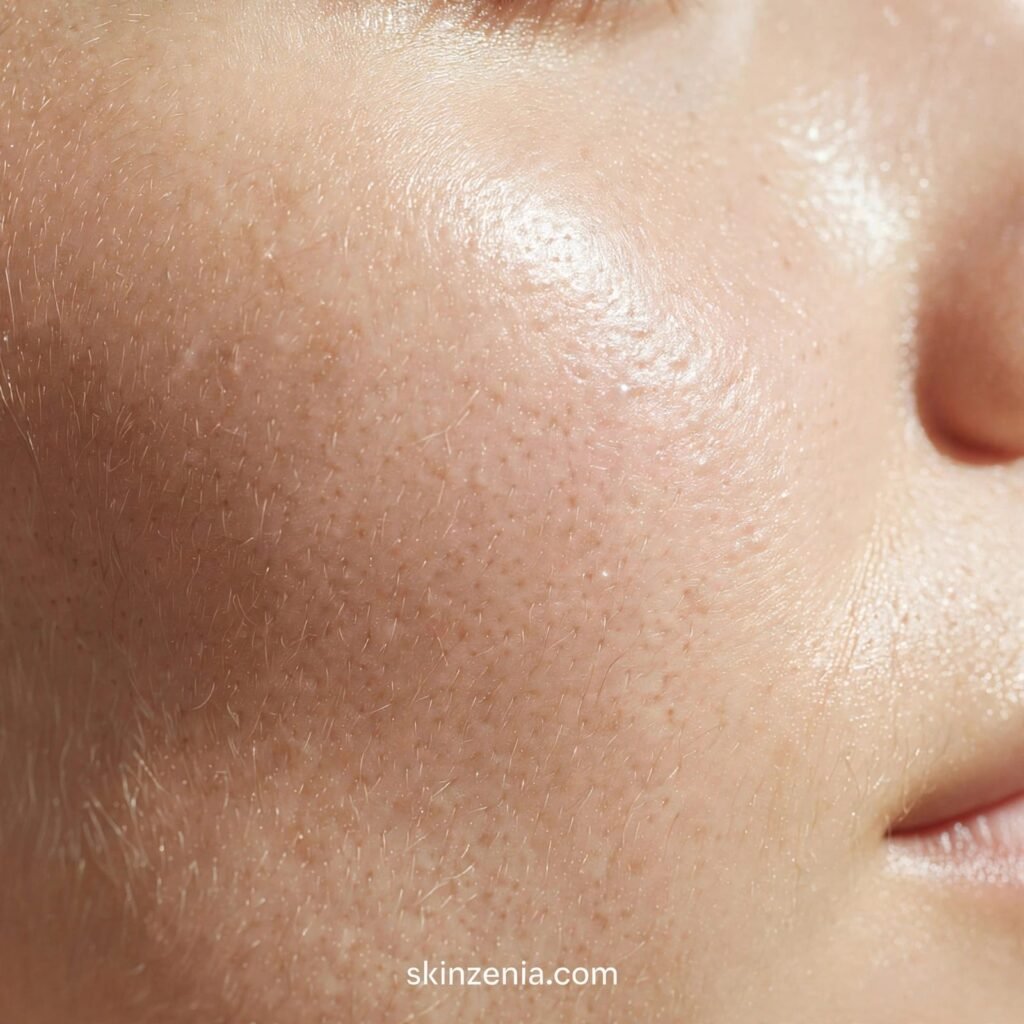
Skin Discoloration Dermatologist: Skin discoloration refers to an unusual change in the natural color of the skin. It may appear as dark spots, brown patches, redness, white patches, or areas that look lighter than the surrounding skin. Skin discoloration can occur on the face, neck, hands, arms, legs, or other areas of the body.
One of the most common forms is hyperpigmentation, which happens when the skin produces excess melanin. Acne, sun exposure, skin injuries, hormonal changes, certain medications, and irritation from skincare products can all contribute to dark spots and uneven skin tone. (Cleveland Clinic)
Although many discoloration problems are harmless, identifying the actual cause is important before starting treatment. A skin discoloration dermatologist can examine your skin and recommend a treatment based on your specific condition.
Common Causes of Skin Discoloration
There are several reasons why your skin may develop uneven color. Understanding the cause is the first step toward achieving clearer and healthier-looking skin.
1. Sun Exposure
Sun exposure is one of the biggest causes of pigmentation. UV rays stimulate melanin production, which can make existing dark spots darker and contribute to new pigmentation.
Daily sunscreen is therefore an essential part of any pigmentation-care routine. Dermatologists commonly recommend broad-spectrum sunscreen with SPF 30 or higher. (American Academy of Dermatology)
2. Acne and Post-Acne Marks
Skin Discoloration Dermatologist: Pimples can leave behind dark marks even after the acne has disappeared. This is called post-inflammatory hyperpigmentation.
Instead of aggressively scrubbing these marks, it is better to control the acne and use gentle skincare. Irritating the skin can sometimes make pigmentation worse. (American Academy of Dermatology)
3. Hormonal Changes
Hormonal changes can contribute to a condition called melasma, which often appears as brown or grayish patches on the face.
Pregnancy, certain birth-control medications, and other hormonal factors may trigger melasma in some people. Sun exposure can also make it more noticeable. (American Academy of Dermatology)
4. Skin Irritation or Injury
Cuts, burns, insect bites, eczema, and irritating skincare products can sometimes cause changes in skin pigmentation while the skin heals.
Using harsh products or repeatedly irritating the affected area may prolong discoloration. Gentle, fragrance-free skincare can be a better option for sensitive skin. (American Academy of Dermatology)
5. Certain Skin Conditions
Not every change in skin color is simple pigmentation. Some conditions can cause lighter or darker areas, including vitiligo, eczema, psoriasis, and other skin disorders.
This is why professional diagnosis can be important when discoloration is new, spreading, persistent, or changing. (Cleveland Clinic)
When Should You See a Skin Discoloration Dermatologist?
You may want to consult a dermatologist if:
- Dark spots continue to increase.
- Pigmentation does not improve with gentle skincare.
- You develop sudden or unexplained skin discoloration.
- White or lighter patches are spreading.
- Discoloration is accompanied by itching, scaling, pain, or inflammation.
- A darkened area becomes thicker or develops a different texture.
- You have tried several products without getting results.
A dermatologist can determine whether the discoloration is caused by hyperpigmentation, melasma, inflammation, an infection, medication, or another skin condition. (Cleveland Clinic)
How Does a Dermatologist Diagnose Skin Discoloration?
During a dermatology appointment, the doctor may examine the affected area and ask questions about your skincare routine, medications, medical history, sun exposure, and when the discoloration started.
Depending on the situation, a dermatologist may use a Wood’s lamp or dermatoscope to examine pigmentation more closely. In some cases, additional testing or a skin biopsy may be recommended to identify the cause. (Cleveland Clinic)
Getting the correct diagnosis is extremely important because different causes require different treatments.
Powerful Treatments for Skin Discoloration
Treatment depends on the type, depth, cause, and location of the discoloration. A dermatologist may recommend one treatment or combine several approaches.
1. Sunscreen
Sunscreen is one of the most important steps in treating and preventing pigmentation. Broad-spectrum SPF 30 or higher can help protect the skin from UV exposure.
For some pigmentation concerns, dermatologists may recommend tinted sunscreen containing iron oxides, because visible light can also contribute to dark spots, particularly in people with darker skin tones. (American Academy of Dermatology)
2. Prescription Creams
Depending on the diagnosis, a dermatologist may prescribe ingredients that help reduce excess pigmentation. Options can include hydroquinone, tretinoin, azelaic acid, or other pigment-targeting treatments.
These treatments should be used according to professional guidance because inappropriate use can irritate the skin and potentially worsen discoloration.
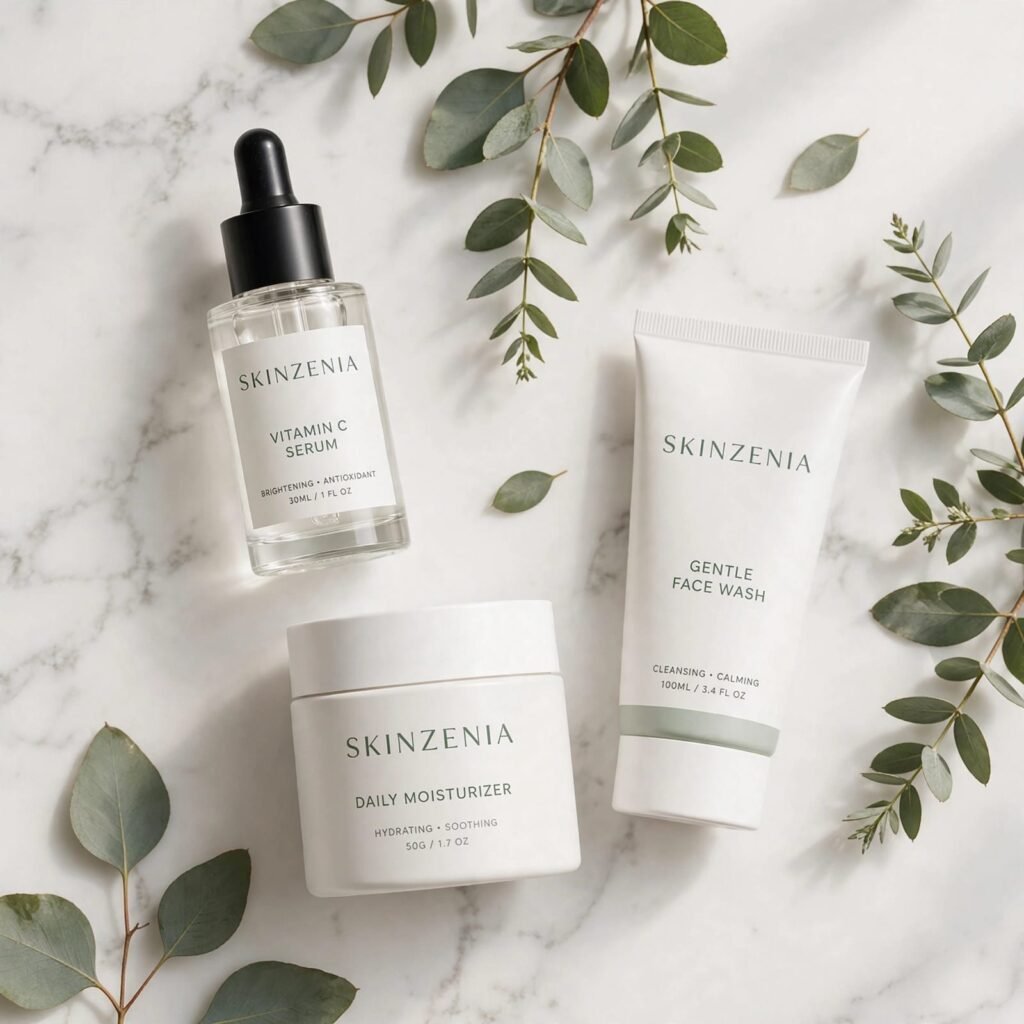
3. Vitamin C
Vitamin C is a popular skincare ingredient for improving the appearance of uneven skin tone. It can be included in a carefully selected skincare routine, particularly when the goal is to improve the appearance of dark spots and brighten the overall complexion.
4. Retinoids
Retinoids can help improve skin cell turnover and may be useful for certain pigmentation concerns. However, they can cause irritation, especially when first introduced.
A dermatologist can help determine whether a retinoid is suitable for your skin and how frequently it should be used.
5. Chemical Peels
Chemical peels use carefully selected chemical solutions to exfoliate the skin. Depending on the type and strength of the peel, they may help improve uneven pigmentation.
However, chemical peels should be performed by a qualified professional, particularly for people with darker skin tones, because excessive irritation can sometimes trigger additional pigmentation. (American Academy of Dermatology)
6. Microneedling
Microneedling is a minimally invasive procedure that creates controlled microscopic injuries in the skin. A dermatologist may consider it as part of a treatment plan for certain pigmentation concerns.
The suitability of microneedling depends on the cause of discoloration and the individual’s skin type.
7. Laser and Light Treatments
Certain laser and light-based treatments may be used for pigmentation. However, they are not suitable for everyone and can sometimes cause unwanted pigmentation if performed incorrectly.
For this reason, these procedures should be performed by an experienced dermatologist who understands your skin type and pigmentation condition. (American Academy of Dermatology)
Best Skincare Routine for Uneven Skin Tone
A simple and consistent routine can support professional treatment.
Morning:
- Use a gentle cleanser.
- Apply a suitable vitamin C or other dermatologist-recommended treatment.
- Use a lightweight moisturizer.
- Finish with broad-spectrum SPF 30+ sunscreen.
Night:
- Cleanse your skin gently.
- Apply your dermatologist-recommended pigmentation treatment.
- Use moisturizer to support the skin barrier.
Avoid using multiple strong active ingredients at the same time unless a dermatologist has recommended the combination.
What Should You Avoid?
When trying to improve skin discoloration, avoid aggressive scrubbing, unverified whitening creams, and harsh DIY remedies.
Some products marketed for fading dark spots may contain undeclared ingredients such as steroids or mercury, which can damage the skin when used improperly. The American Academy of Dermatology also warns against using liquid bleach on the skin. (American Academy of Dermatology)
Instead, choose gentle skincare and products appropriate for your skin type.
How Long Does Skin Discoloration Take to Improve?
Pigmentation usually does not disappear overnight. The time required depends on the cause and how deeply the pigment sits in the skin.
According to the American Academy of Dermatology, some dark spots may take 6 to 12 months to fade after the underlying cause has been addressed, while deeper pigmentation can take considerably longer. (American Academy of Dermatology)
Consistency is therefore essential. Protecting your skin from the sun and following an appropriate treatment plan can help improve results.
Why Professional Dermatologist Treatment Is Better
A dermatologist does more than recommend a cream. The most important step is determining why your skin is becoming discolored.
For example, dark spots caused by acne may require acne control first, while melasma may require a combination of sun protection and pigmentation treatment. Light patches may have an entirely different cause and should not automatically be treated as dark spots.
A personalized treatment plan can help reduce unnecessary irritation and improve the chances of achieving a more even-looking complexion. (American Academy of Dermatology)
Final Thoughts
Skin discoloration can be frustrating, but it is often manageable with the right approach. The most effective strategy is to identify the cause, protect the skin from sunlight, use gentle skincare, and seek professional advice when necessary.
If your pigmentation is persistent, spreading, or difficult to understand, consulting a skin discoloration dermatologist can be a smart and powerful step toward healthier-looking, more even skin.
External Resources:
- American Academy of Dermatology – Melasma Diagnosis & Treatment
- American Academy of Dermatology – How to Fade Dark Spots
- Cleveland Clinic – Skin Discoloration
SEO Tags:
#SkinDiscoloration #Dermatologist #Hyperpigmentation #DarkSpots #UnevenSkinTone #Melasma #SkinCare #PigmentationTreatment
KD%: 13
Volume: 1.3k